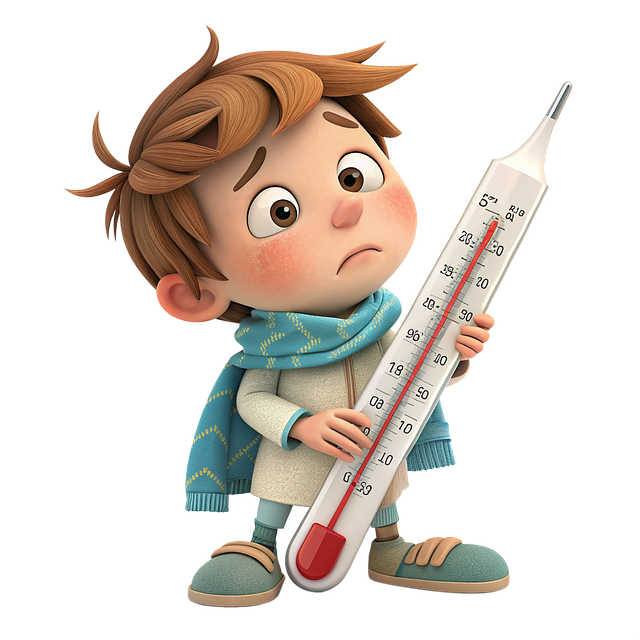
Accurate temperature measurement is crucial for health assessment. Digital thermometers offer precise results, accounting for environmental factors with advanced algorithms. Choice of thermometer type (digital vs mercury-free) and placement (axillary, oral, rectal) matters. Optimal home conditions include cool temperatures, rest, and avoiding extremes. Temperature naturally fluctuates daily and across latitudes, with normal ranges varying 1-3°C (97.7-99.5°F). Tracking trends over time aids diagnosis, particularly with medical professionals' guidance.
Maintaining accurate knowledge of our body temperature is a fundamental aspect of health monitoring. In the comfort of home, assessing temperature naturally becomes a crucial skill to discern normal fluctuations from potential indicators of illness. However, with a plethora of methods available, ensuring precision can be daunting. This article provides an authoritative guide to demystifying the process, empowering individuals to accurately measure body temperature at home using reliable techniques and trusted tools. By following these evidence-based practices, readers will gain confidence in interpreting their readings, fostering proactive health management.
- Understanding Body Temperature: Normal Ranges & Variations
- Choosing the Right Thermometer for Accurate Readings
- Setting Up at Home: Step-by-Step Guide to Measurement
- Interpreting Results & When to Seek Medical Advice
Understanding Body Temperature: Normal Ranges & Variations

Understanding body temperature is a crucial aspect of maintaining overall health and recognizing potential issues. Temperature naturally varies among individuals, influenced by factors such as age, gender, activity level, and environmental conditions. The normal range for human body temperature typically falls between 36.5°C (97.7°F) to 37.5°C (99.5°F). However, this can fluctuate throughout the day, with slight decreases or increases during sleep, physical exertion, or exposure to extreme temperatures.
Accurate measurement is essential, especially when monitoring for medical conditions or tracking health trends. Digital thermometers with advanced digital readouts offer precise results and easy usage. They eliminate the potential for errors associated with traditional mercury thermometers. Modern devices can provide instant readings, accounting for heat transport effects that could skew traditional methods. For instance, a patient’s fever might be masked if measured immediately after exercise, when temperature naturally elevates.
Variations in temperature measurement should be considered when interpreting results. Environmental factors, such as room temperature and personal comfort, can impact the accuracy of readings. It is recommended to use reliable tools that account for these effects. For instance, a study comparing various digital thermometers found that precision was significantly enhanced by utilizing devices with advanced algorithms designed to mitigate heat transport issues, especially in individuals with higher basal temperatures or those undergoing temperature-dependent medical treatments, as explored in geoscience research on temperature-dependent reactions.
Choosing the Right Thermometer for Accurate Readings
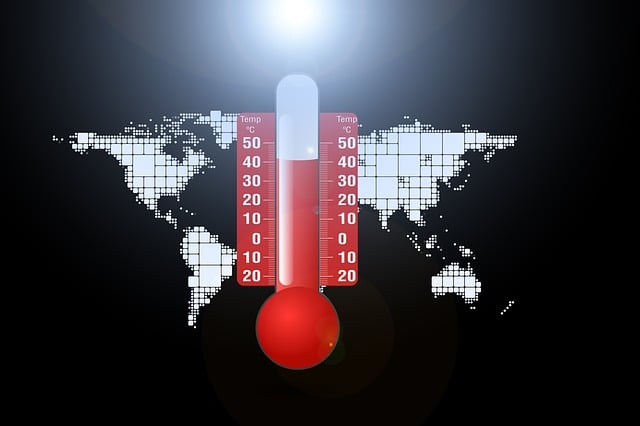
Choosing the right thermometer is a crucial step in accurately measuring body temperature at home. Digital thermometers are now the preferred option over traditional mercury thermometers due to their ease of use and reliability. Look for models that offer fast response times and precise readings, ensuring they meet medical standards for accuracy. Some advanced digital thermometers even provide temperature trends and historical data, which can be valuable for tracking overall health patterns.
In the context of culinary science and geoscience research involving global climate patterns, relative humidity significantly impacts temperature measurements. High humidity levels can affect the accuracy of thermometers by causing moisture condensation on sensors. Therefore, consider using a thermometer designed to compensate for such environmental factors or take readings in well-ventilated areas to minimize their impact. For instance, some models are equipped with built-in algorithms that account for relative humidity, ensuring more accurate temperature naturally under varying conditions.
Another critical factor to consider is the type of thermometer suitable for your specific needs. Temporal thermometers are convenient for quick, one-time readings, while medical grade digital thermometers provide consistent and reliable results over extended periods. For home use, a combination of both types can be beneficial—a temporal thermometer for occasional checks and a more advanced digital model for regular monitoring. Remember that the accuracy of temperature measurements is essential, especially when dealing with temperature-dependent reactions in science or tracking global climate trends.
If you require highly precise readings for research or medical purposes, consult with experts or professionals who can guide you on specialized thermometers. For instance, planetary atmosphere heat transfer studies often demand precise temperature data, and specific instruments are designed to meet these demands. Similarly, give us a call at Planetary Atmosphere Heat (PAH) for tailored advice based on your unique requirements—our expertise lies in providing the most suitable thermometer solutions for accurate measurements.
Setting Up at Home: Step-by-Step Guide to Measurement
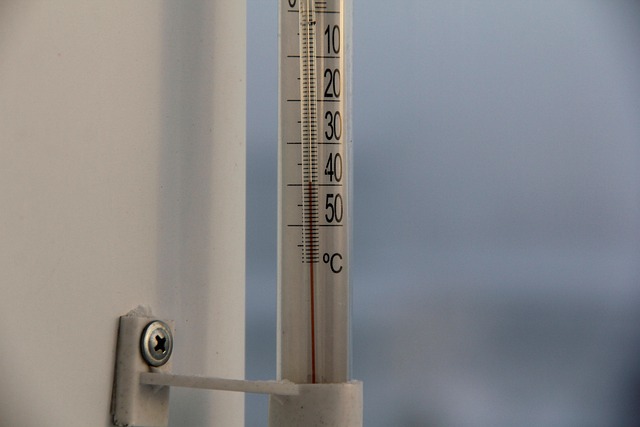
Accurately measuring your body temperature at home involves a combination of proper tools, optimal environmental conditions, and consistent procedures. Here’s a step-by-step guide to help you achieve precise results. Begin by selecting an appropriate thermometer—digital or mercury-free—and ensure it’s calibrated for accuracy. Place the thermometer under armpit skin (axillary measurement) or at the oral (mouth) or rectal (bottom) openings, as recommended by healthcare professionals. Maintain a stable body position to minimize variability; sit or stand upright for axillary readings, and avoid chewing while taking an oral temperature.
Next, consider your environment. Temperature naturally plays a significant role in bodily heat regulation. Aim for a cool, comfortable room around 20-23°C (68-73°F) to ensure accurate readings. Avoid direct sunlight or excessive heat sources, as these can skew results. The same applies to cold environments; dress appropriately and maintain a balanced temperature to prevent artificial effects on your body’s natural temperature. If you’re concerned about accuracy due to significant environmental variations, consider using advanced thermometers designed for precise readings in extreme conditions—a testament to their engineering design.
Additionally, be mindful of personal factors like physical activity and hydration levels. Exercise can temporarily raise your body temperature, while dehydration may impact reading reliability. Allow a few minutes of rest before taking measurements. For more detailed insights, environmental studies involving planetary atmosphere heat dynamics can offer analogies for understanding the delicate balance of human body temperature regulation. If you require consistent monitoring or have specific health concerns, consult with healthcare professionals who can guide you on optimal measurement times and address any questions regarding thermometer types. Efficient energy conversion methods can also be explored through dedicated devices designed to optimize reading accuracy in various conditions—give us a call at efficient energy conversion for expert advice tailored to your needs.
Interpreting Results & When to Seek Medical Advice

Interpreting your home temperature readings is a crucial step in understanding your body’s state and overall health. Accurate measurements provide valuable insights into normal physiological ranges, potential underlying conditions, or even global cooling scenarios as evidenced by geoscience research on temperature-dependent reactions. Remember that temperature naturally fluctuates throughout the day and across different latitudes, with variations of 1-3 degrees Celsius not uncommon.
When reading your thermometer, consider these key points. A normal body temperature typically ranges between 36.5°C and 37.5°C (97.7°F to 99.5°F). Temperatures outside this range may indicate a need for further investigation. For instance, a persistent low reading could suggest hypothermia or an underlying infection, while a significantly elevated temperature might point to heatstroke, inflammation, or even specific environmental factors like high humidity. It’s important to track trends over time rather than focusing solely on a single isolated measurement.
If your readings consistently deviate from the normal range, it’s advisable to consult a medical professional. They can help differentiate between common, treatable conditions and rare but serious issues. For example, a longitudinal study tracking temperature variations might reveal subtle changes indicative of latent infections or autoimmune disorders that require specialized care. Furthermore, understanding regional and seasonal latitudinal variations in global cooling scenarios can provide context for interpreting your results.
To enhance your understanding, consider keeping a detailed log of your temperature readings alongside other health indicators. This record can serve as a valuable tool during future discussions with healthcare providers. Visit us at atmospheric science to explore more about the greenhouse effect mechanism and how it interacts with our bodies’ temperature regulation systems. By adopting these practices, you empower yourself to navigate your body’s temperature naturally and seek timely medical advice when necessary.
By following the step-by-step guide and utilizing the right thermometer, you can accurately measure your body temperature at home, ensuring vital health insights. Understanding normal temperature ranges and variations empowers you to interpret results meaningfully. This article equips you with the knowledge to take informed decisions regarding your health, highlighting when to seek medical advice. Armed with these key insights, you’re now capable of proactively managing your well-being by closely monitoring temperature naturally, a simple yet powerful tool for maintaining optimal health.