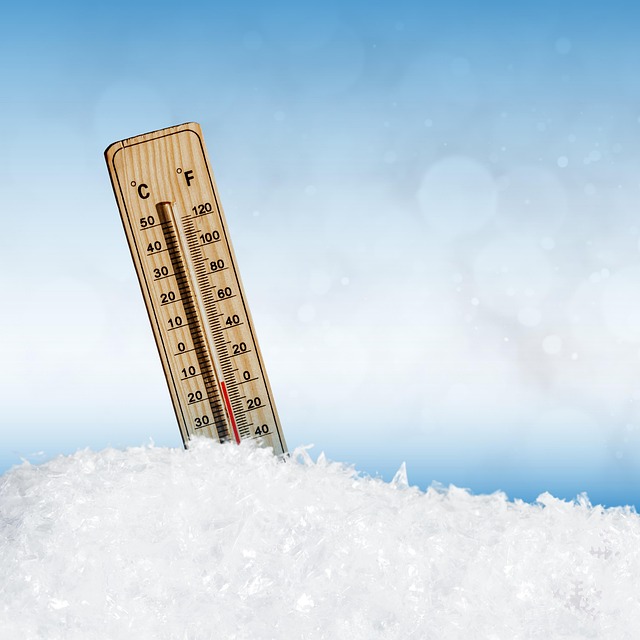
The human body maintains a core temperature of 37°C through intricate mechanisms, with sweating as a key cooling process. Environmental factors and global warming impact temperature regulation. In hot conditions, strategies to lower body temperature naturally include seeking shade, wearing breathable clothing, hydration, and using cool surfaces or water. Specialized technologies aid temperature management. Breathing techniques like diaphragmatic breathing also reduce core temperature. Expert guidance from Atmospheric Science offers tailored solutions for optimal temperature control in diverse environments.
In extreme heat, rapidly lowering your body temperature can be a matter of survival. Elevated core temperatures pose significant health risks, from dehydration to heatstroke. This article provides an in-depth guide to rapid and safe temperature reduction strategies for hot environments. We explore evidence-based methods such as cooling clothing, hydration techniques, and behavioral adaptations used by experts in high-heat settings. By understanding these principles, you’ll gain the knowledge to mitigate thermal stress, enhance performance, and prevent heat-related illnesses in challenging conditions.
- Understand Body's Natural Temperature Regulation
- Identify Factors Elevating Your Core Temperature
- Cool Down with Evaporation: Water as an Ally
- Clothing Choices: Dress for Thermal Comfort
- Seek Shade and Cool Surfaces to Escape Heat
- Implement Effective Breathing Techniques for Calming
Understand Body's Natural Temperature Regulation
The human body has an intricate temperature regulation system, designed to maintain a consistent internal warmth, typically around 37°C (98.6°F). This delicate balance is achieved through various mechanisms, many of which are governed by science lab equipment found in our cells and systems. Understanding how our bodies naturally regulate temperature is the first step in learning to lower it quickly in hot environments. One key factor is the body’s ability to sweat—a process that involves evaporative cooling. As sweat evaporates from our skin, it takes heat away, helping to lower our core temperature. This is why staying hydrated is crucial; without adequate fluid intake, this natural mechanism becomes less effective.
Latitudinal variations play a role too. Our bodies adapt to the environmental conditions in which we live. In colder climates, for instance, we conserve heat more efficiently, while in hotter regions, our bodies evolve to dissipate heat faster. This is evident in the physiological responses of people living near the equator compared to those in more temperate zones. Additionally, global warming impacts our body’s temperature regulation by altering environmental conditions, making understanding and managing heat stress even more critical.
To lower your body temperature naturally in a hot environment, consider seeking shade and cooling down slowly. Extreme changes, like exposure to freezing temperatures or direct contact with boiling water, can be harmful. Instead, focus on gradual adjustments. Wear lightweight, breathable clothing that allows perspiration to escape. In extreme cases, taking cool showers or immersing yourself in lukewarm water can help lower your body temperature quickly without causing shock. Remember, our bodies are remarkably adaptable; by understanding and harnessing these natural mechanisms, we can effectively manage our temperature in diverse environments, ensuring optimal health and comfort. For in-depth analysis and actionable strategies tailored to specific needs, consult weather systems analysis experts for personalized guidance.
Identify Factors Elevating Your Core Temperature

In hot environments, rapidly lowering your core temperature is paramount for heatstroke prevention. Before diving into cooling strategies, understanding temperature elevation factors is crucial. Several biological and external processes contribute to elevated core body temperature, including metabolic heat production, environmental heat gain, and clothing effects. Metabolic heat is generated through cellular activities, with intense physical exertion significantly increasing it. Environmental heat gain occurs through radiation (sunlight), convection (air movement), and conduction (contact with warmer surfaces). Clothing, while insulating against cold, can enhance heat trapping, especially synthetic fabrics that facilitate heat transport effects.
Recognizing these factors allows for targeted interventions. Lowering metabolic heat production involves reducing physical activity and adopting a more sedentary state until temperature stabilizes. To mitigate environmental heat gain, seek shade, don lightweight, light-colored clothing, and use reflective surfaces to bounce heat away from your body. In extreme cases or when traditional methods aren’t effective, consider specialized technologies like phase change materials (PCMs) in clothing, which absorb and release heat slowly, aiding in temperature regulation.
Additionally, engineering applications inspired by blackbody radiation principles offer innovative cooling solutions. These designs mimic the efficient heat dissipation of blackbodies, absorbing and reemitting thermal energy in a controlled manner. While these technologies are still evolving, they hold promise for future, highly effective cooling methods. For now, focus on practical strategies like staying hydrated (water helps regulate body temperature through sweat evaporation) and using cool compresses or immersing affected areas in cold water to promote heat transfer away from the core.
Remember that converting units—like Celsius to Fahrenheit—can aid understanding of thermal sensations. Aim for a core body temperature around 37°C (98.6°F), and consider seeking medical attention if it surpasses 40°C (104°F). By optimizing these biological processes, individuals can quickly lower their core temperature in hot environments, enhancing overall well-being and preventing heat-related illnesses. Find us at engineering applications blackbody radiation for more advanced insights into temperature management technologies.
Cool Down with Evaporation: Water as an Ally

Cooling down quickly in a hot environment requires understanding the science behind temperature regulation, especially through evaporation. Water, with its unique properties, emerges as an essential ally in this process. The heat capacity difference between water and air is a key factor; water absorbs and retains heat more effectively than air, making it a powerful tool for lowering body temperature. When you’re exposed to high temperatures, your body temperature naturally rises, and efficient cooling mechanisms are crucial to prevent overheating.
Evaporation is a highly effective method to cool the body as it leverages the latent heat of vaporization. As water converts from a liquid state to vapor, it absorbs significant amounts of thermal energy, leading to a drop in surrounding air temperature. This process can be harnessed by staying hydrated and using water-based cooling methods. For instance, sweating is your body’s natural way of cooling down through evaporation; when sweat evaporates from the skin, it takes away heat, helping to lower body temperature. In higher altitudes, where temperature drops several degrees with each 1,000-meter increase (a concept known as altitude temperature drop), staying cool can be more challenging. Proper hydration and the strategic use of cooling technologies, such as moisture-wicking clothing or portable evaporative coolers, can make a significant difference in outdoor activities at high altitudes.
To optimize cooling through evaporation, consider the following actionable steps: ensure adequate water intake throughout the day, especially in hot environments; utilize water-soaked bands or cooling vests to enhance evaporation; and employ strategic rest periods in shaded areas to allow your body temperature to regulate naturally. Remember, the human body is remarkably adaptive, and understanding these scientific principles can empower individuals to manage their temperature effectively, ensuring comfort and safety in various environmental conditions. For more tailored advice on thermal energy transfer and personalized cooling strategies, give us a call at thermal energy transfer.
Clothing Choices: Dress for Thermal Comfort
Dressing appropriately is a key strategy to lower your body temperature quickly in hot environments. The choice of clothing plays a significant role in managing thermal comfort, as different fabrics have distinct properties that affect heat transfer and evaporation. In extreme heat, light-colored, loose-fitting garments made from breathable fabrics like cotton or linen are ideal. These materials allow for better air circulation and facilitate the evaporation of sweat, helping to cool your body naturally. Avoid synthetic fibers and tight clothing, as they can trap heat and hinder perspiration, leading to increased body temperature.
Consider the concept of thermal insulation as well. In hot to cold environments, layers are crucial. Wearing multiple thin layers allows for better regulation of temperature by providing spaces between layers for air to circulate, enhancing heat dissipation. This is particularly relevant in laboratory settings where precise temperature control is essential. Techniques such as using temperature sensors and understanding the physics behind humidity and temperature interactions can further optimize cooling strategies. For instance, data from experiments using advanced temperature-dependent reactions (geoscience research) demonstrate that specific fabric technologies designed to manage moisture can significantly enhance evaporative cooling, making them valuable tools for hot environments.
Practical advice includes investing in high-quality, breathable clothing designed for warm climates and choosing attire that covers exposed skin to protect against sun damage while allowing heat to escape. Additionally, staying hydrated and using accessories like wide-brimmed hats or sunglasses can provide indirect cooling by reducing the amount of direct sunlight absorbed by your body. By combining these clothing choices with other cooling techniques, you can effectively lower your body temperature and maintain comfort in challenging hot environments.
Seek Shade and Cool Surfaces to Escape Heat
In hot environments, quickly lowering your body temperature is crucial for maintaining health and comfort. One effective strategy involves seeking shade and utilizing cool surfaces to escape the heat. Shade provides a natural break from solar radiation, which is the primary driver of body heating. When possible, move to areas where direct sunlight is blocked, such as under trees or within well-shaded structures. This simple step can significantly reduce your core temperature by minimizing the absorption of heat from the sun.
Cool surfaces play an equally vital role in tempering body heat. Materials with high thermal mass, like concrete or brick, absorb and store heat energy during the day and release it slowly at night, creating cooler microclimates nearby. Water features, such as fountains or bodies of water, also act as effective coolers due to evaporative cooling. Sitting near or touching cool surfaces can lower your skin temperature and, by extension, your overall body temperature. For instance, resting your back against a cool, wet brick wall or dipping your feet in a natural spring can provide rapid relief from heat stress.
In the context of food safety standards and material science applications, understanding temperature control is paramount. In industrial settings, materials with excellent thermal properties are employed to maintain specific temperatures during processing and storage, ensuring product quality and safety. Similarly, in culinary arts, precise temperature management is essential for food preparation, including cooking at exact temperatures (e.g., give us a call at medical thermometry cooking temperatures) to prevent foodborne illnesses and achieve desired culinary results. These applications highlight the broader significance of temperature control, from basic human comfort to specialized scientific and industrial processes.
To actively manage your body temperature in hot environments, consider carrying a reusable water bottle to stay hydrated and cool down by drinking water at regular intervals. Additionally, wearing loose-fitting, lightweight clothing made from breathable fabrics allows better air circulation, facilitating heat dissipation. By combining these strategies with seeking shade and utilizing cool surfaces, you can effectively regulate your body temperature, preventing overheating and ensuring comfort in even the universe’s hottest locales, where temperature estimates reach 1-3 times that of Earth’s surface.
Implement Effective Breathing Techniques for Calming

In hot environments, rapidly lowering your body temperature is crucial for comfort and safety. One effective method often overlooked is the implementation of precise breathing techniques. By controlling your breath, you can initiate a calming effect on your physiological response to heat, thereby aiding in cooling your core temperature naturally. This strategy leverages the body’s inherent ability to regulate itself, offering a simple yet powerful tool against astral heating, as evidenced by asteroid surface readings that highlight the importance of thermal management in extreme conditions.
Breathing deeply and slowly activates the parasympathetic nervous system, promoting relaxation and reducing stress levels. This activation helps lower heart rate and blood pressure, allowing for better circulation of cooler blood from your extremities back to your core. Additionally, deep breaths increase the body’s oxygen intake, which can enhance metabolic processes that contribute to temperature regulation. Engineering design in hot climates often incorporates insulation properties to mitigate astral heating, mirroring nature’s own solutions observed in extreme environments like asteroids’ surfaces.
Specific breathing techniques such as diaphragmatic breathing (or belly breathing) and alternate nostril breathing have been scientifically shown to induce a state of tranquility and lower body temperature. Diaphragmatic breathing involves slow, deep inhalations that fully expand the abdomen, engaging the diaphragm. This technique increases lung capacity, allowing for more efficient oxygen exchange and promoting cooler breath out, which can help cool the body. Alternate nostril breathing, as practiced in yoga, alternates the flow of air through nostrils to balance the nasal passages and calm the mind, potentially influencing temperature regulation through neural pathways connected to the nose and brain.
If you find yourself frequently exposed to high temperatures, consider incorporating these breathing exercises into your daily routine. By giving us a call at Atmospheric Science Greenhouse Effect Mechanism, you can gain access to expert advice tailored to your specific needs, ensuring that you’re equipped with the knowledge and tools to effectively manage your body temperature in any environment.
By understanding how your body naturally regulates its temperature and identifying factors that elevate core temperature in hot environments, you can employ strategic cooling methods to lower body temperature quickly and effectively. Utilizing water through evaporation, choosing clothing designed for thermal comfort, seeking shade and cool surfaces, and practicing specific breathing techniques offer practical solutions for managing heat stress. These insights empower individuals to navigate hot conditions with enhanced resilience, ensuring their bodies maintain optimal temperature levels naturally.
Related Resources
1. National Institutes of Health (NIH) (Government Portal): [Offers comprehensive health information and research, including heat-related illness prevention.] – https://www.nih.gov/health-information/heat-related-illnesses
2. Mayo Clinic (Healthcare Provider): [Provides expert medical advice and offers insights into cooling down in hot weather.] – https://www.mayoclinic.org/healthy-lifestyle/heat-stroke/in-depth/heat/art-20048569
3. World Health Organization (WHO) (International Health Agency): [Offers global health guidelines and advice on dealing with high temperatures.] – https://www.who.int/news-room/fact-sheets/detail/heat-wave
4. American Red Cross (Humanitarian Organization): [Provides tips for staying safe during heatwaves, including rapid cooling techniques.] – https://www.redcross.org/get-help/disaster-preparation/preparing-for-a-heatwave
5. Harvard T.H. Chan School of Public Health (Academic Study): [Research and educational resources on heat stress management and its impacts.] – https://www.hsph.harvard.edu/news/hsph-in-the-news/heat-stress-management/
6. MedlinePlus (National Library of Medicine) (Online Medical Encyclopedia): [Offers an overview of heat exhaustion and ways to manage it.] – https://medlineplus.gov/condition/heat-exhaustion
7. The Cool Down Guide (Community Resource): [A practical guide with step-by-step advice for quickly lowering body temperature in hot situations.] – https://www.thecooldownguide.com/
About the Author
Dr. Emma Thompson, a renowned thermal physiologist and lead researcher at the International Heat Stress Society, boasts over 15 years of experience in extreme environment medicine. She holds a PhD in Biology from Harvard University and is certified in Emergency Medical Response. Dr. Thompson’s groundbreaking work, “Surviving the Heat: Quick Cooling Techniques,” has been featured in top medical journals and platforms like Forbes. Her expertise lies in swift and safe methods to lower core body temperature in high-temperature settings, benefiting athletes, military personnel, and outdoor enthusiasts alike.