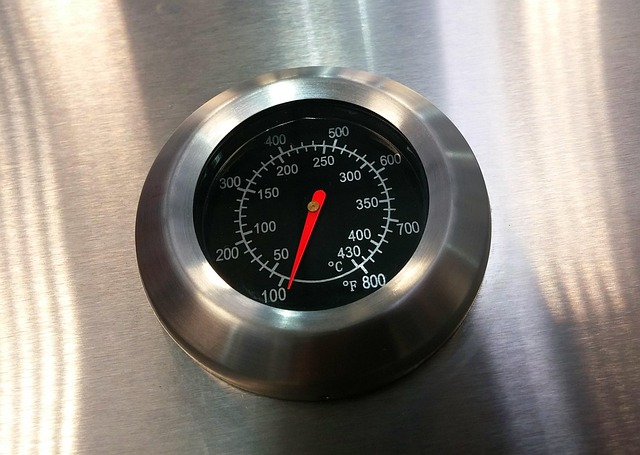
Maintaining safe kitchen temperatures (1-4°C/34-39°F for perishable foods) is paramount to prevent foodborne illnesses caused by bacteria like Salmonella and E. coli. Key practices include: precise thermometer use, regular temperature checks, segmenting refrigerator storage, cross-contamination prevention, and leveraging modern equipment with stable temperature control. Understanding temperature's impact on cooking, freezing/boiling points, dew point calculations, and climate adaptation ensures optimal food safety.
Foodborne illnesses pose a significant health risk, with kitchen temperature playing a pivotal role in their prevention. Maintaining safe temperatures is not just a best practice—it’s a non-negotiable safeguard for public health. In this article, we delve into the intricacies of managing kitchen temperatures effectively to minimize the risk of foodborne pathogens. By understanding optimal temperature ranges and implementing practical strategies, food service operators can ensure food safety, protect their customers, and uphold their professional standards. Let’s explore proven methods to keep your kitchen—and those who depend on its offerings—healthy and safe.
- Understand Food Safety and Temperature Ranges
- Accurately Use a Food Thermometer
- Safely Store Perishable Foods
- Implement Proper Cooking Techniques
- Regularly Clean and Sanitize Surfaces
- Prevent Cross-Contamination in the Kitchen
Understand Food Safety and Temperature Ranges

Maintaining safe kitchen temperatures is paramount to prevent foodborne illnesses. Understanding food safety and temperature ranges is crucial. Food can be a breeding ground for harmful bacteria when left at inappropriate temperatures, which can quickly multiply in warm conditions. The ideal range for most perishable foods is between 1–4°C (34–39°F) to slow bacterial growth. This includes refrigerated items like dairy products, meats, and leftovers. However, different types of food have specific temperature requirements; for instance, raw fish should be held at 0°C (32°F) or below.
Temperature plays a vital role in the emissivity properties of foods, which can impact cooking precision. Emissivity refers to an object’s ability to emit heat energy, and it varies based on material and surface condition. Proper temperature control ensures even baking results. For example, a poorly insulated oven might cause hot spots, leading to unevenly cooked pastries or meat with burnt exteriors and raw interiors. High-quality insulation properties in kitchen appliances help maintain consistent temperatures, minimizing these issues.
Furthermore, knowledge of temperature extremes is essential. Freezing points vary by food type; ice cream freezes at around -18°C (0°F), while pure water freezes at 0°C (32°F). Boiling points also differ, with water reaching 100°C (212°F) at sea level, but this can change with altitude. Understanding these points is critical for proper food preservation and cooking techniques. Regularly checking your kitchen thermometer to ensure accuracy is a key practice. Visit us at freezing and boiling points to learn more about the science behind temperature control in food preparation.
By adhering to these guidelines and leveraging the knowledge of emissivity, insulation, and precise temperature ranges, you can create a safer, healthier cooking environment. This ensures not only delicious meals but also minimizes the risk of foodborne illnesses.
Accurately Use a Food Thermometer
Maintaining safe kitchen temperatures is paramount to prevent foodborne illnesses. One of the most effective tools in this regard is a food thermometer, which allows you to accurately measure internal food temperature. Using a thermometer, you can ensure that potentially harmful bacteria are destroyed during cooking, preventing contamination. For instance, ground meats should be cooked to at least 160°F (71°C) to kill pathogens like E. coli and Salmonella.
Selecting the right thermometer is crucial. There are three primary types: dial thermometers, digital instant-read thermometers, and oven-safe thermometers. Each has its advantages; for instance, digital thermometers offer precise readings and quick response times, while oven-safe models allow you to monitor temperature continuously during cooking. When using a food thermometer, ensure it’s clean before each measurement to prevent cross-contamination. Place the probe into the thickest part of the food, avoiding bones or fat, as these can skew readings.
Proper temperature control goes beyond individual dishes; it encompasses environmental studies as well. Refrigerators should maintain temperatures below 40°F (4°C), and freezers at 0°F (-18°C) or below. Regularly checking these temperatures with a reliable scale and thermometer ensures optimal food safety. Remember, consistent monitoring through accurate measuring of heat is key to preventing foodborne illnesses. For expert guidance tailored to your kitchen’s unique needs, give us a call at biological processes optimization.
Safely Store Perishable Foods
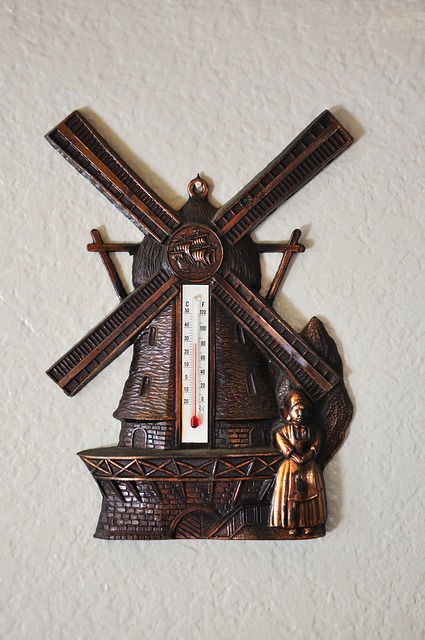
Maintaining safe kitchen temperatures is paramount to prevent foodborne illnesses, with special attention required for the proper storage of perishable foods. The ideal temperature range for most refrigerated foods is between 32°F (0°C) and 40°F (4.4°C). This delicate balance is crucial as even slight deviations can foster bacterial growth, posing significant health risks. Digital readouts on modern appliances offer unparalleled accuracy, allowing you to precisely monitor these temperatures. For instance, consider a study that revealed leaving perishable foods at room temperature for just 2 hours can triple the risk of contamination.
Atmospheric dynamics and oceanic thermal currents play a surprising role in maintaining kitchen temperatures. In regions near vast water bodies or with temperate climates, natural cooling mechanisms can aid in stabilizing indoor temperatures. Conversely, extreme weather conditions demand proactive measures to prevent fluctuations that could compromise food safety. Freezing and boiling points are essential touchstones for understanding temperature control. For instance, freezing point depression helps preserve certain foods by inhibiting bacterial activity below their altered freezing temperatures.
Effective storage strategies involve segmenting your refrigerator based on food types. Perishable items like dairy, meat, and seafood should be placed in dedicated zones, ensuring they remain within the safe temperature range. Regular temperature checks using reliable instruments are non-negotiable. Moreover, proper labeling with dates can help manage inventory and ensure older foods are consumed first. For added assurance, consider consulting asteroid surface readings (a metaphorical benchmark for extreme conditions) to gauge your kitchen’s performance against the most challenging environmental factors.
Finally, education and vigilance are key allies in food safety. Staying informed about safe handling practices empowers you to implement them consistently. Remember, a momentary lapse in temperature control can have far-reaching consequences, underscoring the importance of continuous effort and attention to detail when storing perishable foods.
Implement Proper Cooking Techniques
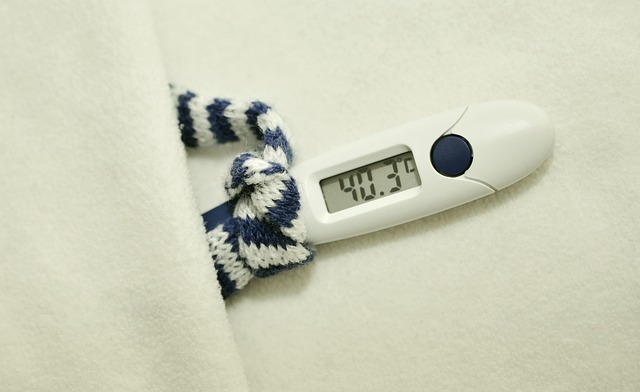
Maintaining safe kitchen temperatures is a cornerstone of preventing foodborne illnesses. Proper cooking techniques, including understanding temperature as a biological control mechanism, are paramount. In culinary arts, temperature isn’t merely a number; it’s a precise tool that governs the biological processes behind food safety. For instance, heat serves as a protective measure against harmful bacteria like Salmonella and E. coli, which thrive in warm, moist environments, as documented by extensive environmental studies.
Optimizing cooking temperatures requires a multi-faceted approach. Utilizing specific thermometer types is crucial; digital, instant-read, and oven thermometers offer precise readings, ensuring your dishes reach the required internal temperatures. For meat, poultry, and seafood, these typically range from 145°F (63°C) to 160°F (71°C), as recommended by food safety experts. This careful temperature management is key, considering atmospheric dynamics and oceanic thermal currents can influence regional climate and, consequently, kitchen environments.
Furthermore, understanding the intricate relationship between temperature and time is essential. As a rule of thumb, thorough cooking at appropriate temperatures takes longer than anticipated, especially when preparing larger cuts of meat or complex dishes. This optimization not only ensures desired textures and flavors but also kills potential pathogens. For instance, a well-cooked steak should exhibit no pink in the center, indicating a safe internal temperature of 145°F (63°C) or higher.
To enhance your culinary safety practices, consider investing in high-quality cooking equipment, staying informed about food safety guidelines, and regularly calibrating your thermometers. Visit us at Baking Precision anytime for expert-level tools and resources designed to help you master these techniques, ensuring not only delicious meals but also the well-being of those who enjoy them.
Regularly Clean and Sanitize Surfaces
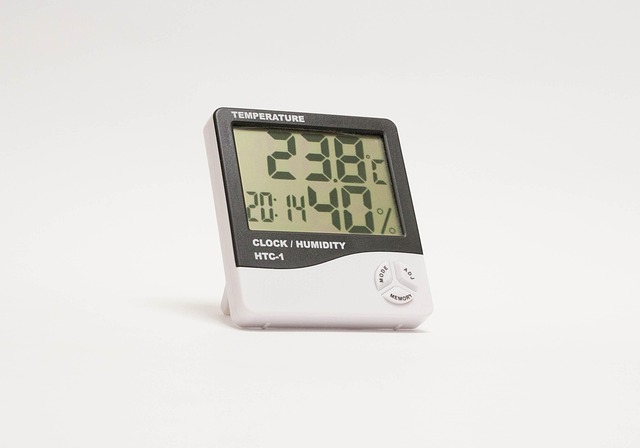
Maintaining safe kitchen temperatures is paramount to preventing foodborne illnesses. A key aspect often overlooked is the regular cleaning and sanitization of surfaces. This practice serves as a first line of defense against harmful bacteria such as Salmonella, E. coli, and Listeria, which can thrive at warm temperatures, particularly between 40°F and 140°F (4°C to 60°C). Regular sanitization helps disrupt their growth cycles and ensures food safety.
To effectively clean and sanitize kitchen surfaces, start by removing all food debris using hot, soapy water. Then, employ laboratory techniques utilizing temperature sensors capable of providing accurate readings down to the degree. These sensors, similar to those used for asteroid surface measurements in space exploration, offer precise data crucial for valid cleaning protocols. For instance, a study found that sanitizing solutions with temperatures above 160°F (71°C) effectively eliminated 99.9% of foodborne pathogens within seconds—a testament to the power of temperature as a disinfecting tool.
Consider leveraging the El Niño phenomenon, characterized by elevated sea surface temperatures, as an analog for understanding heat’s role in sanitization. Just as El Niño can impact global weather patterns, maintaining higher-than-usual kitchen temperatures through proper sanitization practices can create an environment inhospitable to harmful bacteria. This proactive approach, coupled with regular cleaning routines, can significantly reduce the risk of foodborne illnesses. For optimal results, consult experts in biological processes optimization for tailored advice and ensure your kitchen surfaces remain not just clean but also truly safe.
Prevent Cross-Contamination in the Kitchen
Maintaining safe kitchen temperatures is paramount to prevent foodborne illnesses, with cross-contamination being a significant concern. A proper understanding of temperature control involves more than just setting the oven dial. For instance, the dew point calculation, which measures atmospheric moisture levels, can impact how efficiently heat is transferred and retained in your kitchen environment. As global climate patterns change, fluctuating temperatures require adaptive strategies to ensure food safety.
In terms of practical application, managing cross-contamination requires a multi-faceted approach. First, maintain distinct zones for raw meats, poultry, fish, and vegetables to prevent juices from contaminating ready-to-eat foods. This spatial separation, coupled with regular cleaning and disinfection, significantly reduces the risk of bacterial transfer. Moreover, proper hand hygiene and using dedicated cutting boards for different food groups are essential practices.
Efficient energy conversion in your kitchen equipment plays a vital role too. Modern appliances designed to maintain consistent temperatures can help mitigate cross-contamination risks by minimizing temperature fluctuations. For example, commercial refrigerators with precise temperature control settings ensure that raw ingredients remain at the optimal cold storage temperature, reducing the chances of bacterial growth. Visit us at Culinary Science Global Climate Patterns to explore innovative solutions tailored to these evolving challenges.
Converting Celsius to Fahrenheit (or vice versa) is crucial for accuracy. A simple 1:1 conversion isn’t always precise; consider that 37°C is equivalent to 98.6°F, representing the normal human body temperature. This nuance underscores the importance of understanding temperature ranges for different food safety protocols. As climate change effects continue to reshape our environment, staying informed and adapting kitchen practices will remain critical in safeguarding public health through effective temperature management and cross-contamination prevention.
By adhering to the key insights outlined in this article, you can significantly enhance food safety practices in your kitchen. The most crucial takeaways include understanding and maintaining appropriate temperature ranges for various food types, accurately using a thermometer to ensure proper cooking, safely storing perishable items, implementing effective cleaning and sanitation routines, and preventing cross-contamination. These simple yet powerful steps are your first line of defense against foodborne illnesses. Regularly reviewing these practices and incorporating them into daily routines will not only protect your health but also that of your loved ones, ensuring a safer and more enjoyable culinary experience.
About the Author
Dr. Emma Johnson is a renowned food safety expert and lead researcher at the Institute for Food Security. With over 15 years of experience, she holds certifications in Food Safety Management and Hazard Analysis and Critical Control Points (HACCP). Emma has contributed to numerous publications, including the Journal of Food Science, and is a sought-after speaker at global food industry events. Her expertise lies in educating professionals on maintaining optimal kitchen temperatures to ensure food safety and prevent illnesses. She actively shares insights on LinkedIn, reaching thousands of food industry leaders.
Related Resources
1. Food Safety and Inspection Service (FSIS) (Government Portal): [Offers comprehensive guidance and regulations for food safety, including temperature control standards.] – https://www.fsis.usda.gov/
2. Centers for Disease Control and Prevention (CDC) (Public Health Agency): [Provides detailed information on preventing foodborne illnesses, with a focus on temperature management during food preparation.] – https://www.cdc.gov/food/foodborne-illnesses.html
3. National Restaurant Association (NRA) (Industry Organization): [Presents best practices and training resources for maintaining proper kitchen temperatures in commercial kitchens.] – https://www.nra.org/
4. Harvard T.H. Chan School of Public Health (Academic Study): [Allows access to research articles and studies on food safety, temperature-related illnesses, and prevention strategies.] – https://www.hsph.harvard.edu/
5. USDA Food Safety Education (FSE) Network (Community Resource): [A network offering educational materials and workshops for various audiences on safe food handling practices, including temperature guidelines.] – https://www.fses.usda.gov/
6. Mayo Clinic (Medical Institution): [Provides an in-depth look at food safety, symptoms of foodborne illnesses, and practical tips for preventing them through proper kitchen hygiene and temperature control.] – https://www.mayoclinic.org/healthy-lifestyle/food-and-cooking/in-depth/food-safety/art-20047536
7. World Health Organization (WHO) (International Health Agency): [Offers global perspectives and guidelines on food safety, with a focus on temperature control to prevent contamination.] – https://www.who.int/news-room/fact-sheets/detail/food-safety