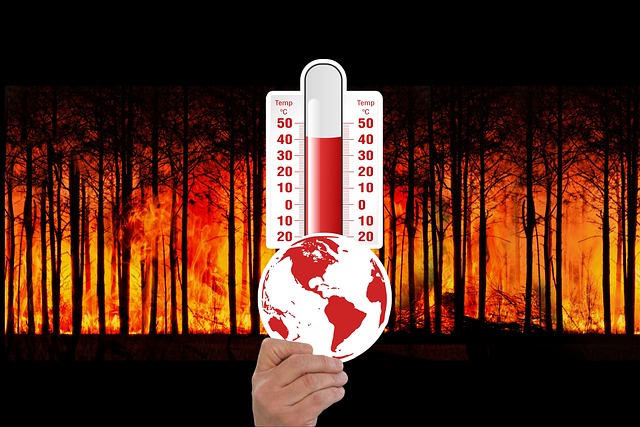
Maintaining kitchen temperature below 4°C prevents bacterial growth and foodborne illnesses. Regular monitoring using data loggers, precise sensors, and staff training ensure ideal temperatures for specific foods. Best practices like proper cooling, organization, and ventilation minimize risks, ensuring regulatory compliance and culinary quality.
Foodborne illnesses pose a significant health risk, with improper kitchen temperature control being a leading cause. Maintaining safe temperatures is not just a regulatory requirement but also a critical step in safeguarding public health. Despite common knowledge, many kitchens fail to uphold proper temperature standards, often due to inconsistent practices and lack of awareness. This article serves as a comprehensive guide, offering practical insights into managing kitchen temperatures effectively. We’ll explore the science behind food safety, identify common pitfalls, and provide actionable strategies to ensure your culinary space remains a haven, free from harmful bacteria’s reach.
- Understand Safe Kitchen Temperatures for Food Safety
- Implement Effective Storage and Cooling Practices
- Monitor and Maintain Temperature Control Consistently
Understand Safe Kitchen Temperatures for Food Safety

Maintaining safe kitchen temperatures is paramount to preventing foodborne illnesses, a critical aspect often overlooked yet profoundly impactful on public health. Understanding optimal temperature ranges for various food items is key. In degrees Celsius or Fahrenheit, the safe zone typically lies between 4°C (39°F) and 60°C (140°F). This range prevents the growth of harmful bacteria like Salmonella, Listeria, and E. coli. Notably, data from public health agencies reveals a significant correlation between improper temperature control and foodborne illness outbreaks.
The impact of climate change effects cannot be overlooked in this context. Rising global temperatures influence kitchen environments, emphasizing the need for proactive temperature management. Reliable data logging devices equipped with advanced temperature sensors can monitor these fluctuations, ensuring compliance with food safety standards 1-3 times per hour. These devices, integrated into modern kitchens, provide real-time insights that help maintain consistent temperatures, even during extreme weather events.
Furthermore, laboratory techniques and advanced temperature monitoring systems play a pivotal role in enhancing food safety. Temperature sensors, meticulously placed throughout kitchen areas, offer precise data crucial for making informed decisions. For instance, finding the ideal temperature for specific food items—such as keeping raw meat below 5°C (41°F) or cooking hot dishes above 60°C (140°F)—can prevent contamination and preserve quality. Relative humidity, another factor influenced by climate change, also impacts kitchen temperatures and requires consideration in conjunction with temperature control strategies.
To ensure safety, regular checks and maintenance of cooling equipment are essential. This includes refrigerators, freezers, and commercial kitchens’ specialized units. Additionally, proper training for staff on temperature management and the use of data logging devices can foster a culture of food safety. By combining technological advancements, scientific knowledge, and best practices, kitchens can maintain safe temperatures, significantly reducing the risk of foodborne illnesses and ensuring the well-being of their patrons.
Implement Effective Storage and Cooling Practices
Maintaining safe kitchen temperatures is paramount to prevent foodborne illnesses, ensuring both consumer health and adherence to public safety standards. Effective storage and cooling practices form a robust defense line against bacterial growth and spoilage. The temperature of your refrigerator should naturally hover around 40°F (4°C) or below; this consistent cold environment inhibits the proliferation of harmful pathogens like Salmonella, E. coli, and Listeria. Consistent temperature control is key—a refrigerator that fluctuates can create a perfect breeding ground for bacteria.
Consider the principles behind atmospheric science and the greenhouse effect as a metaphor. Just as global warming, driven by complex interactions including ocean currents impact, requires meticulous management, so too does kitchen temperature regulation. It’s not merely about setting a dial; it involves understanding how temperature naturally affects food safety. For instance, proper cooling methods can significantly extend the shelf life of perishable items, reducing food waste and the environmental impact associated with its production and disposal.
Implementing best practices includes storing raw meats, poultry, and seafood in sealed containers at the lowest possible setting, usually near the back of the refrigerator to minimize cross-contamination. Cool leftovers promptly—within two hours—and reheat thoroughly to temperatures above 165°F (74°C). Moreover, consider the role of proper ventilation and regular cleaning to prevent atmospheric contaminants from affecting temperature control.
Visit us at biochemistry principles thermal expansion for a deeper dive into the science behind temperature’s impact on food safety. By embracing these strategies, kitchens can maintain safe temperatures not only adhering to regulatory standards but also prioritizing public health and culinary excellence.
Monitor and Maintain Temperature Control Consistently

Maintaining safe kitchen temperatures is a critical aspect of food safety that often requires meticulous attention to detail. The temperature of your kitchen plays a pivotal role in preventing foodborne illnesses, as many harmful bacteria thrive within specific thermal ranges. Consistent temperature control is key; variations can create ideal conditions for bacterial growth and spoilage. Consider the astrophysics explorations that delve into the natural laws governing heat transfer—phases like phase transitions heat conduction (as described by NAP/brand experts), where even minor fluctuations can significantly impact your culinary environment.
Regularly measuring the temperature of various kitchen areas, especially during preparation and storage, is essential. Invest in reliable thermometers to gauge temperatures accurately; check them at least once daily to ensure consistency. For instance, a study revealed that leaving perishable foods at room temperature for just 2 hours can lead to dangerous bacterial levels. This highlights the need for continuous monitoring. In terms of longitudinal variations, consider that temperature differs with latitude, altitude, and even time of day; thus, what works in one kitchen might not be optimal elsewhere. Adjustments should be made accordingly, ensuring a cool, consistent environment below 4°C (40°F) to inhibit bacterial activity.
To maintain safe temperatures, follow these practical steps: first, organize your fridge and freezer to allow for proper air circulation; second, set them to the recommended temperature settings; third, use temperature-controlled zones for different types of food. For instance, keep raw meats separate from produce. Lastly, consider the impact of external factors like solar gain and kitchen traffic on overall temperature stability. By implementing these strategies, you create a safe culinary space that reduces the risk of foodborne illnesses, ensuring your meals are not only delicious but also securely prepared.
By understanding and implementing safe kitchen temperatures as outlined in this article—specifically, keeping hot foods hot and cold foods cold—you can significantly reduce the risk of foodborne illnesses. The key lies in consistent temperature control through effective storage practices, prompt cooling, and regular monitoring. These measures ensure your kitchen remains a safe, healthy environment for food preparation, protecting both you and your loved ones from harmful bacteria. Moving forward, prioritize maintaining a cool, well-organized kitchen to safeguard against potential health hazards, making it a vital step in any home or professional culinary setting.