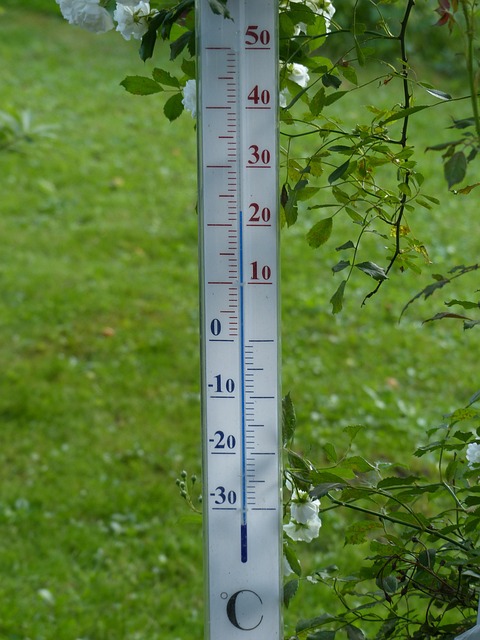
Appropriate clothing for hot/cold weather depends on local climate's temperature, humidity, wind, and barometric pressure. Balancing breathable fabrics that cool with insulating materials that retain heat is key. Layering, using materials with specific properties like insulation, breathability, and moisture management, ensures optimal comfort across varying temperatures. In extreme conditions, consider altitude-specific temperature drops and consult expert advice for tailored accessorizing solutions. Modern fabrics offer unprecedented adaption to natural fluctuations, combining style and functionality for year-round comfort.
In a world where temperature fluctuations are increasingly unpredictable, selecting appropriate clothing can be a challenge. Whether facing scorching heat or biting cold, the right attire is not just about comfort; it’s about staying safe, confident, and mobile. This article provides a comprehensive guide to navigating this dilemma, offering practical insights into choosing garments that adapt to both hot and cold weather conditions. By the end, you’ll be equipped with the knowledge to make informed decisions, ensuring optimal comfort and safety across varying temperatures.
- Understanding Your Climate: Essential First Step
- Fabric Choices: Breathable vs Insulating Materials
- Layering Techniques for Optimal Temperature Control
- Accessorizing: Hats, Scarves, and Gloves for Extremes
- Style Meets Function: Dressing for Both Seasons Effortlessly
Understanding Your Climate: Essential First Step

Choosing the right clothing for hot and cold weather conditions begins with understanding your climate—a crucial first step often overlooked. Climate is a complex interplay of temperature, humidity, wind patterns, and barometric pressure, all working together to create unique microclimates within broader regions. For instance, a city might experience scorching summers and frigid winters, while coastal areas may have milder fluctuations due to ocean’s tempering effect. Recognizing these variations is essential for selecting garments that effectively regulate body temperature through efficient heat energy transfer.
Consider the fundamental processes at play: thermal energy transfer through conduction, convection, and radiation. In cold climates, the goal is to retain body heat by minimizing heat loss through these mechanisms. Wearing layers—a popular strategy—allows for better control over temperature regulation. Each layer acts as a barrier, slowing down phase transitions of heat from your body to the environment. This method is particularly effective in regions with low humidity and strong winds, where cold air can quickly extract thermal energy from exposed skin. Conversely, hot climates demand garments that facilitate heat dissipation through ventilation and moisture-wicking fabrics to prevent overheating and discomfort.
To optimize clothing choices, pay attention to material properties like insulation, breathability, and moisture management. Insulating materials trap a layer of air close to the skin, enhancing natural insulation. Breathable fabrics allow perspiration to evaporate, cooling the body without overloading it with heat. Moisture-wicking technologies draw sweat away from the skin, preventing discomfort and potential phase transitions that can lead to cold or hot spots. For instance, meteorology insights suggest that in regions with significant temperature variations between seasons, investing in versatile garments designed to adapt to changing conditions—like those featuring adjustable insulation panels—can be a game-changer. Contact us at Meteorology Insights to learn more about barometric pressure and its impact on weather patterns, further aiding in tailoring your wardrobe to specific climates.
Fabric Choices: Breathable vs Insulating Materials

Choosing the right clothing for hot and cold weather conditions begins with understanding fabric choices—a delicate balance between breathable materials that let heat escape and insulating fabrics that trap it. Temperature, much like ocean currents, impacts our comfort levels; for instance, the world’s ocean currents play a significant role in regulating global temperatures, influencing weather patterns as diverse as those found in polar regions versus tropical climates. Similarly, the science behind clothing fabrics is precise, akin to the precision required in a well-equipped science lab or even the complex atmospheric dynamics of oceanic thermal currents.
Breathable materials like cotton and linen are popular choices for hot weather because they absorb moisture from the skin, helping to cool the body through evaporation. This is particularly crucial when engaging in physical activities as it prevents overheating and reduces the risk of heat-related illnesses, a concern that has gained significant attention due to global warming’s impact on extreme weather events. In contrast, insulating fabrics like wool and synthetic blends are designed to trap air close to the body, providing warmth in cold conditions. This mechanism is akin to how a well-insulated home retains heat during winter or how specialized equipment in space exploration must withstand extreme temperatures in the vacuum of space.
When making choices, consider the specific activities you’ll be engaging in and the environment’s natural temperature conditions. For instance, a lightweight, breathable shirt might suffice for a leisurely walk on a warm day, while hiking in colder terrain demands layers of clothing that include insulating materials to provide adequate protection against the elements. Remember, layering is key; this allows for easy adjustments based on changing temperatures, similar to how ocean currents circulate heat around the globe, maintaining balance and equilibrium. By selecting fabrics that cater to temperature regulation, you can ensure optimal comfort and performance in any weather condition.
Layering Techniques for Optimal Temperature Control
To achieve optimal temperature control in varying weather conditions, mastering layering techniques is paramount. Just as an astronaut navigates the extreme temperatures of space through meticulous suit design, so too can we adapt our attire to planet Earth’s diverse climate challenges. The key lies in understanding how different materials and layers interact with heat transfer, much like interpreting asteroid surface readings in meteorology for precise barometric pressure links.
Imagine donning a base layer that wicks away moisture from your skin, akin to the engineering applications of blackbody radiation, drawing heat away from your body. This is especially crucial in hot weather, where staying cool becomes a matter of science and strategy. A breathable fabric like merino wool or synthetic blends can act as this first defense against excessive warmth. On top, layering techniques become an art form. For instance, a mesh or vented mid-layer allows for air circulation, preventing overheating. This is where practical insights from global climate patterns come into play; understanding the temperature fluctuations in different regions guides your choice of materials and cuts.
As conditions change, so should your layers. In cold weather, insulating layers like down jackets or fleece provide crucial thermal protection. These layers trap air close to your body, enhancing insulation, much as culinary science explores the role of gas molecules in heat transfer. For extreme cold, a well-insulated outer layer paired with waterproof and windproof materials becomes essential. Remember, the goal is to regulate temperature naturally, allowing your body to maintain its optimal range despite external conditions.
Visit us at Culinary Science Global Climate Patterns to explore more insights into the science behind clothing choices, where we delve deeper into the meteorological factors that influence our comfort and safety in diverse weather scenarios.
Accessorizing: Hats, Scarves, and Gloves for Extremes

In extreme weather conditions, where temperature naturally fluctuates drastically, altitude temperature drop becomes a significant factor. As you ascend, relative humidity impacts your comfort level, making it crucial to layer clothing appropriately. The kinetic theory suggests that air molecules move faster at higher altitudes, increasing heat loss from the body. Therefore, accessorizing with the right headwear, scarves, and gloves is essential to maintain core temperature in both hot and cold environments.
Hats play a vital role in protecting your head and face from harsh elements. For extreme cold, a beanie or fleece hat provides excellent insulation. In hot weather, wide-brimmed sun hats shield against direct sunlight, preventing heat gain. Scarves, versatile accessories, can double as headcovers or wraps for added warmth when needed. They also provide a buffer zone against wind and rain, offering protection in varying temperatures. Gloves, designed specifically for cold weather, insulate hands and fingers from freezing temperatures. In hot environments, lightweight, breathable gloves made from moisture-wicking materials keep sweat at bay, preventing discomfort.
To enhance your layering strategy, consider visiting us at Engineering Applications Blackbody Radiation. Our innovative solutions can help you navigate the challenges posed by varying altitude temperatures and relative humidity levels. By combining expert knowledge with practical insights, we empower you to make informed decisions about your accessorizing choices, ensuring optimal comfort in any weather condition.
Style Meets Function: Dressing for Both Seasons Effortlessly
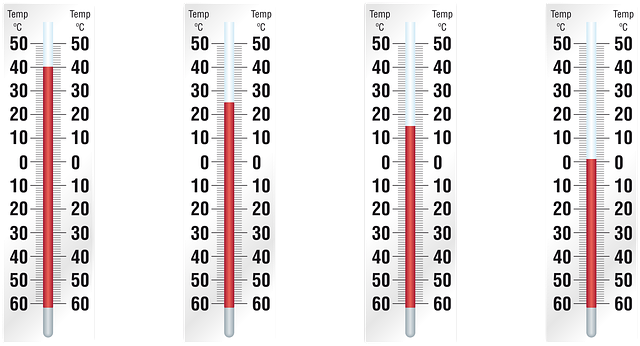
Dressing for both hot and cold weather conditions seamlessly requires a careful blend of style and functionality. This involves understanding the temperature’s natural fluctuations and choosing garments that adapt to these changes. The key lies in layers—a technique as old as human history, dating back to when our ancestors used animal hides and leaves to protect against the elements. Today, modern fabrics and technologies offer unprecedented insulation and breathability, making it easier than ever to stay comfortable year-round.
Consider the kinetic theory of gases, which explains how temperature affects molecular motion. In simpler terms, as temperature rises, molecules move faster, leading to increased heat transfer. High-quality garments designed for warm weather incorporate lightweight, breathable fabrics that allow sweat vaporization, keeping you cool and dry. Conversely, for cold climates, the focus shifts to materials like wool or synthetic insulators that trap air close to the skin, providing insulation akin to a liquid-in-glass transition, maintaining body heat efficiently.
Oceanography studies have highlighted the profound impact of glacial melting trends on global temperature dynamics. In regions where these trends are pronounced, layering becomes even more critical. A base layer made from moisture-wicking fabrics, followed by insulating layers like fleece or down, and a waterproof outer shell can make all the difference in cold weather. In hot climates, consider garments with UPF (Ultraviolet Protection Factor) ratings to shield against harmful rays, especially during outdoor activities. For instance, a lightweight linen shirt provides breathability while sun protection, whereas a well-designed bomber jacket offers both warmth and style in cooler evenings.
When dressing for varying temperatures, it’s also beneficial to consider the kinetic energy of your activity level. In a sedentary state, body heat retention is key, whereas during physical exertion, moisture management becomes essential. Incorporate smart fabrics that respond to these changes, wicking away moisture when active and insulating when at rest. Remember, the goal is to stay comfortable and safe, regardless of the season. For expert guidance tailored to your needs, give us a call—we’re here to help you navigate these styles seamlessly through stargazing observations and beyond.
By understanding your climate, selecting breathable fabrics for hot weather and insulating materials for cold, mastering layering techniques to regulate temperature, and incorporating strategic accessories like hats, scarves, and gloves, you can effortlessly adapt your wardrobe to both seasons. This article has provided essential insights into choosing the right clothing for varying temperatures, empowering you to dress with confidence, comfort, and style in any environment.