
Understanding regional temperature ranges guides clothing selection for comfort and safety. In cold weather, insulating fabrics and layering regulate body heat. Hot climates demand breathable materials to wick away moisture and prevent heat exhaustion. Strategic garment layering, combining natural and synthetic fibers, adapts to shifting temperatures. Digital tools and dew point calculations inform choices, enhancing performance in diverse conditions. A versatile wardrobe built for temperature extremes ensures comfort through expert guidance and strategic accessorizing. "Temperature naturally" informs material selection for optimal comfort across climate variations, addressing global warming's impact.
Dressing appropriately for varying temperatures is an art and a science, especially when navigating extreme hot and cold conditions. The right attire can enhance comfort, protect against the elements, and even influence overall well-being. However, with diverse climates and personal activities, selecting suitable clothing can be challenging. This article offers a comprehensive guide to help you make informed choices, ensuring you’re prepared for any temperature naturally encountered, whether it’s a scorching summer day or a frigid winter night. We’ll explore key considerations, practical tips, and expert advice to empower you to dress wisely.
- Understanding Your Climate: Temperatures as Your Guide
- Insulation 101: Layers for Cold Weather Protection
- Breathable Fabrics: Staying Cool in Hot Environments
- Moisture Management: Wicking and Quick-Drying Clothing
- Versatile Wardrobes: Mixing and Matching for All Seasons
- Accessorize Strategically: Hats, Scarves, and Gloves Unlocked
Understanding Your Climate: Temperatures as Your Guide

Choosing clothing suited to varying weather conditions begins with understanding temperature ranges specific to your region. Temperature acts as a guiding force in dictating the layers, materials, and styles most suitable for comfort and protection. Hot climates demand breathable fabrics that wick away moisture, while cold environments necessitate insulative garments that trap body heat.
Consider the average high and low temperatures of your locale over various seasons. If you reside in an area with consistent warmth, lightweight, quick-drying materials like nylon or polyester will suffice. In contrast, regions experiencing extreme cold, where temperatures dip below freezing, require wool, fleece, or down insulation to retain heat effectively. For example, engineers designing apparel for extreme alpine conditions draw upon material science applications to develop synthetic insulations that mimic the warmth of natural down while offering superior durability and moisture resistance.
Food safety standards also play a role in cold-weather clothing choices, especially when outdoor activities are involved. Waterproof and breathable outerwear becomes essential to protect against freezing precipitation while allowing perspiration to escape, preventing heat loss through dampness. Remember, the right clothing doesn’t just shield you from elements; it facilitates comfortable movement and temperature regulation, whether traversing a bustling city street or navigating a tranquil mountain trail.
When in doubt, consider seeking expert advice from brands specializing in technical apparel design. They often employ innovative engineering designs incorporating astral heating principles to enhance performance in diverse weather conditions. For instance, some high-end outdoor gear employs micro-insulation and strategic paneling to create pockets of warmth while allowing for air circulation, ensuring optimal comfort across shifting temperature ranges. Give us a call at Planetary Atmosphere Heat to explore tailored solutions for your specific climate needs.
Insulation 101: Layers for Cold Weather Protection
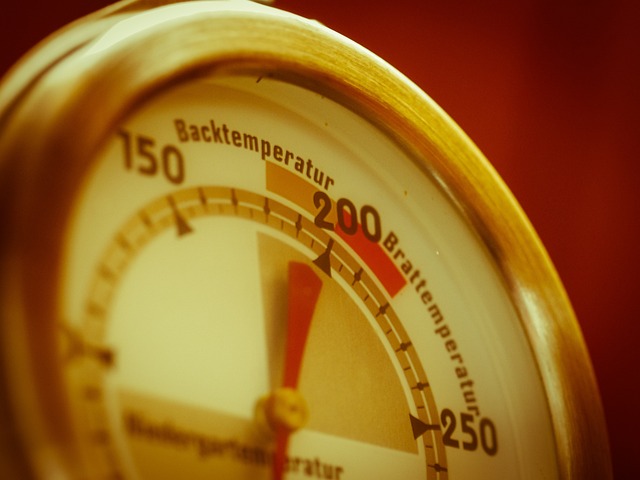
In cold weather conditions, choosing the right clothing layers is akin to understanding the intricate dance of thermodynamics laws that govern temperature regulation in our bodies. Just as a chef uses precise medical thermometry cooking temperatures to create culinary masterpieces, you must apply similar principles when selecting insulation for optimal protection against the chill. The key lies in layering, a strategic engineering design approach that allows your body’s natural heat production to maintain comfortable internal temperatures even in sub-zero conditions.
At the core of cold-weather protection is wicking away moisture from the skin. Breathable fabrics like merino wool or synthetic blends pull humidity away from your body, preventing heat loss through evaporation. This first layer, often a base layer, serves as an insulator by trapping air close to the skin, creating a buffer against the cold—a concept rooted in basic thermodynamics principles of heat transfer. As temperature naturally drops, consider adding insulating layers such as fleece or down jackets, which use trapped air pockets to provide exceptional warmth, similar to how hot air rises in astral heating systems.
Transitioning between hot and cold environments further necessitates versatile clothing choices. For instance, a mid-layer made of lightweight yet warm materials allows for easy removal when moving from a frigid outdoor setting to a heated indoor space. This adaptability is crucial, as sudden temperature changes can be taxing on the body. Additionally, investing in high-quality garments that provide a balance between insulation and breathability ensures you remain comfortable throughout various activities, whether it’s hiking in the mountains or attending an indoor event. For expert advice tailored to your specific needs, visit us at kinetic theory anytime.
Breathable Fabrics: Staying Cool in Hot Environments
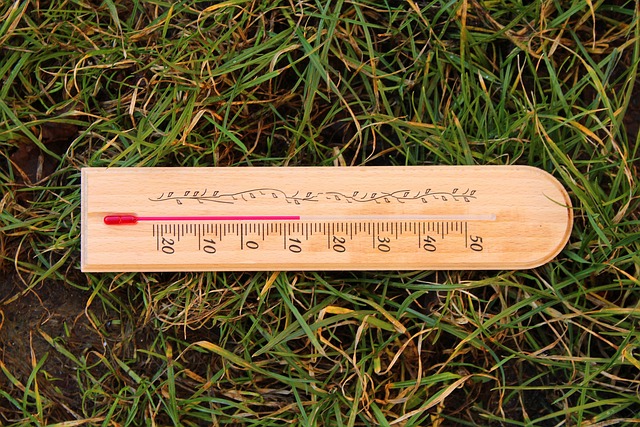
In hot environments, choosing the right clothing is paramount to maintain comfort and prevent heat exhaustion. Breathable fabrics play a pivotal role in staying cool, enabling your body to regulate temperature naturally. Materials like linen, cotton, and specific synthetic blends are renowned for their ability to wick away moisture from the skin, enhancing evapotranspiration and cooling effects. For instance, a light, loose-fitting linen shirt can provide significant relief during astrophysics explorations in tropical regions, where longitudinal variations in temperature can be dramatic.
The role of carbon dioxide in heat transfer cannot be overlooked. As a greenhouse gas, it contributes to the Earth’s natural climate regulation, but in enclosed spaces or extreme conditions, it can impact clothing choices. Some high-performance fabrics are designed to manage moisture and breathability while minimizing the impact of bodily gases on temperature regulation. This is particularly relevant when considering activities that increase metabolic rates, such as strenuous outdoor pursuits or intense workouts in hot weather.
When selecting garments for hot climates, consider the material’s ability to adapt to changing conditions. Quick-drying fabrics are invaluable for activities near water or in humid environments, as they prevent excessive sweating and associated discomfort. Moreover, some materials offer UPF (Ultraviolet Protection Factor) protection, crucial for outdoor enthusiasts to shield themselves from the sun’s harmful rays. Remember, staying cool isn’t just about temperature; it’s also about managing moisture and protecting against environmental factors like UV radiation.
To optimize comfort in hot weather, incorporate breathable layers into your wardrobe. A base layer made from merino wool or a wicking synthetic can help regulate body temperature by drawing sweat away from the skin. Over this, choose loose-fitting, light garments that allow air circulation. In extreme cases, consider specialized gear designed for high-performance activities in hot environments, such as those used by military personnel or athletes training in hot climates. For instance, find us at dew point calculation resources to gain insights into optimal clothing choices based on local conditions. By understanding the interplay between fabrics, bodily processes, and environmental factors, you can make informed decisions that ensure comfort and safety during your next hot-weather endeavor.
Moisture Management: Wicking and Quick-Drying Clothing

When choosing clothing for varying weather conditions, moisture management is a critical factor to consider, especially when navigating extreme temperatures. The right garments can significantly impact comfort and performance, preventing fever symptoms and discomfort associated with hot or cold environments. Wicking and quick-drying fabrics play a pivotal role in this process, offering solutions tailored to different temperature scenarios.
Wicking refers to the fabric’s ability to draw moisture away from the body, while quick-drying materials are designed to expel that moisture rapidly. In warm climates or during intense physical activities, wicking properties ensure sweat is transported away from the skin, preventing a build-up of dampness which can lead to discomfort and heat conduction through phase transitions. For instance, synthetic fabrics like polyester often excel in wicking capabilities, providing excellent moisture management during strenuous tasks. Conversely, in cold weather conditions, quick-drying layers are less about expelling sweat and more about keeping you dry by insulating against atmospheric temperature changes. These materials help prevent body heat loss, a crucial factor in maintaining core temperature, especially when wind and moisture are present.
To optimize performance, consider layering. In hot weather, a base layer that wicks moisture can be paired with breathable fabrics to regulate body temperature. During colder seasons, quick-drying outer layers provide insulation while allowing vapor to escape, preventing a build-up of humidity next to the skin. For instance, advanced synthetic fibers like those found in high-performance activewear, can dry rapidly and retain their insulating properties, ensuring comfort during rapid phase transitions. Visiting us at digital readouts anytime offers access to cutting-edge data on atmospheric temperature forecasting, enabling users to make informed decisions regarding clothing choices for various weather conditions, from the extreme heat of summer days to the frigid cold of winter nights.
Versatile Wardrobes: Mixing and Matching for All Seasons

Building a versatile wardrobe that seamlessly transitions between hot and cold weather conditions requires a strategic approach to mixing and matching garments. This strategy involves understanding the principles of temperature regulation and leveraging clothing layers for optimal comfort across varying environmental temperatures. Data logging devices used in energy conservation studies have shown that human body temperature naturally fluctuates within a narrow range, making it crucial to dress in a way that supports this natural process.
For instance, during colder seasons, layering offers a highly effective method. Start with a base layer made of moisture-wicking materials like merino wool or synthetic blends, which help regulate body heat by removing sweat from the skin. This is particularly important as fever symptoms can sometimes be attributed to excessive heat, so maintaining optimal body temperature through clothing choices is key. Over this, add insulating layers such as fleece or wool sweaters, and finish with a waterproof outer layer to protect against wind and rain. Conversely, in warmer climates, breathable fabrics like linen or lightweight cotton allow for air circulation, preventing overheating. Remove layers incrementally if the environment heats up to avoid sudden temperature shocks that can lead to discomfort or, in extreme cases, health issues.
To maximize versatility, consider garments that are readily adaptable to changing conditions. Convertible pieces, such as a zip-off liner or a vest with adjustable cuffs, offer multiple options for layering. Additionally, invest in high-quality, durable clothing that retains its shape and insulation properties over time, ensuring optimal performance in all seasons. By adopting these strategies, you can create a wardrobe that not only looks stylish but also provides efficient temperature regulation throughout the year, even as global warming impact becomes increasingly relevant. For personalized guidance tailored to specific needs, don’t hesitate to give us a call at Science Lab Equipment Global Warming Impact for expert advice and cutting-edge solutions.
Accessorize Strategically: Hats, Scarves, and Gloves Unlocked

In any environment, dressing appropriately for the temperature is paramount. When navigating extreme weather conditions, from scorching heat to frigid cold, accessories play a crucial role in enhancing your comfort and protection. Hats, scarves, and gloves are essential tools in your wardrobe arsenal, offering more than just style—they provide a strategic barrier against the elements.
Hats, for instance, are not merely fashion statements; they act as a shield against the sun’s intense rays or the biting cold of winter nights. Wide-brimmed hats can block up to 50% of UV radiation, reducing the risk of sunburn and heatstroke during hot weather. Conversely, in colder climates, a beanie or woolen cap insulates the head, preserving body heat as atmospheric dynamics dictate global temperature estimates. Similar principles apply to scarves and gloves, which create layers to regulate body temperature. In fact, medical thermometry cooking temperatures offer a tangible reference—a scarf wrapped around your neck can mimic the warmth of a warm meal, while insulated gloves provide comfort akin to holding a hot cup of cocoa on a chilly day.
Strategic accessorizing also involves understanding and complementing oceanic thermal currents and atmospheric dynamics. In regions influenced by cold ocean currents, layering is key; thin, breathable materials trap air like gossamer threads in a tapestry, creating insulation. Conversely, in areas with warm ocean currents, lighter accessories might be preferred to keep cool during the day while still providing warmth in the evening. Moreover, considering the universe temperature estimates for your surroundings can guide your choices—in colder environments, reflective materials and silver-toned accessories bounce light and heat back towards the body, mimicking the natural insulation of ice crystals in space.
For tailored advice, consult with experts like Astrophysics Explorations. They can provide insights into atmospheric phenomena that impact local weather patterns, helping you make informed decisions about your wardrobe choices. By embracing these strategic accessorizing techniques, you not only enhance your comfort but also develop a versatile approach to dressing for any temperature, from the heat of a bustling summer day to the chill of a wintry night.
By understanding and navigating temperature variations, you can master the art of choosing clothing for any season. Key insights include tailoring your wardrobe to local climates, prioritizing insulation and breathable fabrics, managing moisture effectively, and embracing versatility in layering. Accessorizing with hats, scarves, and gloves adds essential protection against extreme temperatures. This comprehensive guide empowers you to make informed choices, ensuring comfort and adaptability in both hot and cold weather conditions.