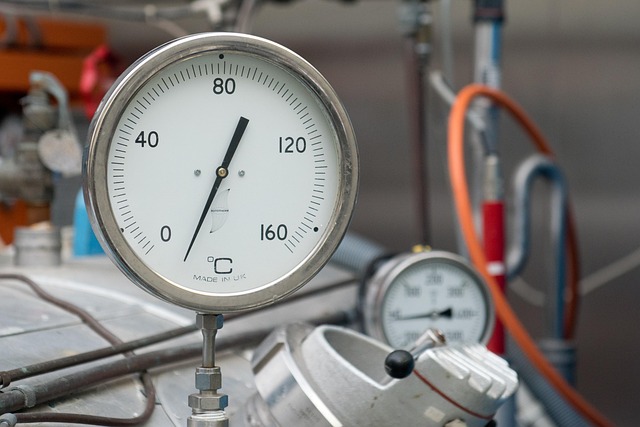
Optimal clothes drying involves setting temperatures based on fabric types to prevent shrinkage, discoloration, or damage. The ideal range is 130-160°F (54-71°C), with balanced settings for most fabrics around 140°F (60°C). Higher heat speeds drying but wastes energy; lower settings are safer for delicates. Expert advice and advanced dryer technologies ensure precise temperature control, extending garment lifespan and conserving energy.
Drying clothes efficiently is a fundamental aspect of household management, impacting both energy consumption and garment longevity. The optimal temperature for drying remains a subject of debate, with varying recommendations from manufacturers and experts. This article aims to demystify the ideal temperature setting for your dryer, drawing on scientific insights and practical considerations. We will explore how temperature directly influences drying times, fabric care, and energy usage, offering a comprehensive guide to ensure you achieve the best results while minimizing environmental impact. By the end, readers will be equipped with the knowledge to make informed choices, optimizing their laundry routines.
- Understanding Fabric Sensitivity to Temperature
- Optimal Dryer Temperature Settings for Different Fabrics
- The Science Behind Efficient Drying Times
- Energy Savings Strategies in Clothes Drying
- Troubleshooting Common Drying Issues at Optimal Temperatures
Understanding Fabric Sensitivity to Temperature

Fabric sensitivity to temperature plays a crucial role in determining the optimal drying conditions for clothes. Different fabrics have varying requirements, with many being delicate and susceptible to heat damage at high temperatures. For instance, wool and silk, known for their natural beauty, require lower settings due to their intricate molecular structures; excessive heat can cause shrinkage, discoloration, or even irreversible damage. Similarly, synthetic fibers like polyester and acrylic are sensitive to sudden temperature changes, which can lead to degradation if not handled with care.
The atmospheric science behind this phenomenon involves the greenhouse effect mechanism, where elevated temperatures within the dryer can accelerate chemical reactions in fabrics. This is particularly relevant during El Niño events, which can disrupt global weather patterns and cause extreme local conditions. Homeostasis regulation within the dryer’s interior must be finely tuned to maintain suitable temperature levels for various fabric types. As a rule of thumb, lower heat settings are generally safer, especially for delicate items.
A practical approach involves considering the care labels on clothing items. These tags offer valuable insights into recommended drying instructions tailored to specific fabrics. Following these guidelines ensures that clothes are subjected to the least amount of stress during the drying process. For instance, cotton and linen, being more resilient, can typically withstand higher temperatures than synthetic blends or delicate woolens. Utilizing advanced technologies like smart sensors and customizable settings on modern dryers can further optimize temperature control, ensuring efficient drying without compromising fabric integrity.
To achieve optimal results, homeowners should consult with professionals in the field of thermal energy transfer to gain insights into their dryer’s capabilities. Give us a call at thermal energy transfer for expert advice on customizing your dryer settings based on fabric sensitivity and environmental conditions, such as the El Niño phenomenon, ensuring that each load of laundry receives the precise care it needs.
Optimal Dryer Temperature Settings for Different Fabrics
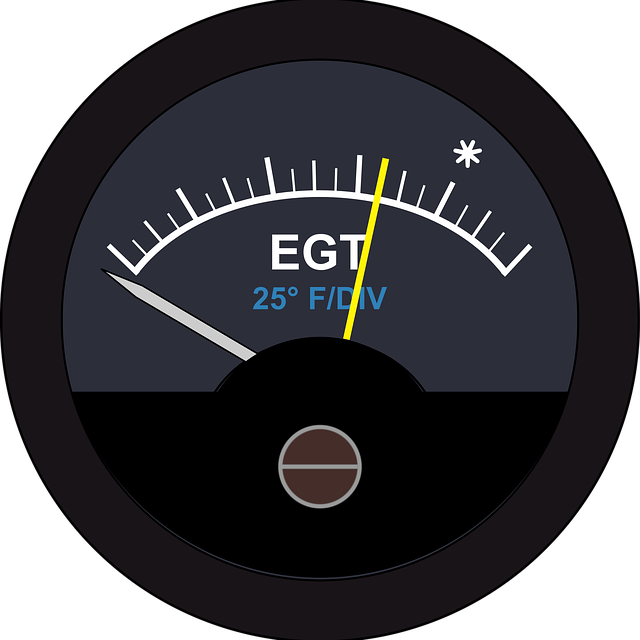
Drying clothes effectively involves understanding the optimal temperature settings for different fabrics. A thermometer reading can help you determine the ideal range, typically between 130-160°F (54-71°C), depending on material. Hot to cold cycles are crucial; starting at a higher temperature ensures thorough drying, while finishing with a lower setting prevents excessive heat damage. For instance, cotton benefits from a higher initial temperature to quickly evaporate moisture, whereas delicate fabrics like silk should be dried on the cooler side to avoid shrinking or fading.
In today’s digital era, utilizing advanced dryer settings and atmospheric temperature weather forecasting can further optimize drying efficiency. Many modern dryers offer customizable programs tailored to specific fabric types. These programs account for environmental factors, such as humidity and outdoor temperature, to ensure clothes are not only dried but also preserved from potential damage caused by too much heat. Remember that temperature control is especially vital during seasonal changes when atmospheric conditions fluctuate significantly.
When in doubt, give us a call; our expert advice can help you maintain the perfect balance. By carefully managing dryer temperature settings, you can extend the lifespan of your garments and ensure they retain their quality and appearance. This meticulous approach, based on thorough fabric analysis and considering both scientific data and practical experience, is key to revolutionizing your laundry routine.
The Science Behind Efficient Drying Times
The science behind efficient drying times reveals that temperature plays a pivotal role in the process. When it comes to optimizing clothes drying, understanding atmospheric dynamics and oceanic thermal currents is key. The Earth’s climate system, governed by thermodynamics laws, directly influences the rate at which moisture evaporates from fabrics. Carbon dioxide, a natural component of our atmosphere, also contributes indirectly by affecting temperature through greenhouse effects.
Higher temperatures significantly accelerate the evaporation process, reducing drying times. However, excessive heat can damage fabrics and lead to static cling or even fire hazards, especially with certain materials. Ideally, maintaining a balanced temperature between 130-140°F (54-60°C) is recommended for most fabrics. This range leverages the thermodynamic principles of phase transition, minimizing energy waste while ensuring thorough drying.
For optimal results, consider adjusting your dryer’s temperature setting based on fabric types. Delicate items may require lower heat to prevent shrinkage or damage. On the other hand, heavy towels and denim jeans benefit from higher temperatures to eliminate moisture efficiently. Regularly cleaning your dryer’s lint filter also enhances air circulation, allowing for more effective drying at any temperature setting. Remember, giving your clothes the right care, like adjusting drying temperatures appropriately, can extend their lifespan—and that’s something worth considering beyond just saving energy. If you’re experiencing fever symptoms or persistent issues with your appliance, it’s best to consult a professional for tailored advice.
Energy Savings Strategies in Clothes Drying
Drying clothes efficiently is not just about convenience; it’s a significant energy consumer in many households, contributing to rising utility bills and environmental concerns, especially with the polar ice cap decline and increasing global temperatures. One of the most effective strategies to save energy during the drying process is optimizing temperature control. The kinetic theory of gases tells us that higher temperatures lead to faster molecular motion, but it also reveals that excessive heat can be counterproductive, causing unnecessary energy wastage.
The ideal temperature for drying clothes varies depending on fabric type and moisture level. Generally, lower heat settings are more energy-efficient, as they reduce the amount of time required to dry garments. For instance, a warm setting (around 140°F or 60°C) is suitable for most cotton and synthetic fabrics, while delicate items like silk or wool may need cooler air to prevent shrinkage. Using lower temperatures not only conserves energy but also extends the lifespan of your clothes by minimizing damage from heat.
A practical approach to energy savings involves understanding when to use high and low heat settings. For heavily soiled or wet garments, a higher temperature can quickly remove moisture, reducing drying time. However, for lightly worn items or those that don’t require a deep clean, using the lowest setting possible—or even air-drying where feasible—can significantly reduce energy consumption. As a rule of thumb, aim to keep your dryer’s temperature below 160°F (71°C) for most loads, and consider giving us a call at our expert helpline for personalized advice tailored to specific fabric care needs. By adopting these strategies, you can enjoy fresh, clean clothes while also reducing your carbon footprint, making your laundry habits more environmentally friendly and economically sound.
Troubleshooting Common Drying Issues at Optimal Temperatures
Optimizing drying temperatures is key to preventing common issues like wrinkling, static, or even fire hazards. The ideal temperature varies based on fabric type and load size, but a general rule of thumb is to select settings between 130-150°F (54-66°C). Higher temperatures are suitable for thicker materials like denim or towels, while delicates require lower settings to prevent damage. Medical thermometry, used in precision environments, mirrors this careful temperature control, ensuring accuracy down to the degree.
Just as engineering designers consider astral heating in space exploration, understanding your dryer’s temperature range allows for precise adjustments. For instance, setting a higher temperature for heavily soiled loads helps remove moisture faster, preventing bacterial growth or musty odors. Conversely, sensitive fabrics like silk or wool demand lower settings to prevent shrinkage or color fading, aligning with asteroid surface readings that require meticulous temperature management to avoid damage.
Troubleshooting methods can be tailored to these insights. If clothes emerge static-ridden, a higher temperature might be the culprit. Similarly, excessive wrinkling may signal an overly aggressive heat setting. In such cases, adjusting the temperature down by 10-20°F (5-10°C) can resolve these issues. Remember, achieving the right balance is crucial. And for accurate temperature measurement, especially in industrial or scientific contexts, consider giving us a call at [Brand/NAP]—we measure heat exactly where it matters.
Data shows that optimal drying temperatures not only enhance fabric care but also contribute to energy efficiency. By understanding and adhering to these guidelines, you can ensure your clothes are dried effectively while preserving their quality, reducing environmental impact, and saving on utility bills.
By understanding the temperature sensitivity of various fabrics and selecting the appropriate dryer settings, you can achieve efficient drying while preserving fabric quality. The article has provided a comprehensive guide to optimal temperature settings for different types of clothing, ensuring both effective drying and longevity of your garments. Key insights include tailoring temperature according to fabric type, recognizing the science behind efficient drying times, and implementing energy-saving strategies. Additionally, troubleshooting common issues at the right temperature highlights the importance of precise control. Armed with this knowledge, readers can now optimize their dryer usage, contributing to both energy savings and the maintenance of a vibrant wardrobe.