
Optimizing indoor comfort involves balancing temperature (20°C-25°C) and humidity (30%-50%) using smart thermostats and sensors. This natural greenhouse effect enhances well-being, reduces energy use, and prevents health issues from extreme conditions. Regular ventilation, CO2 sensing, and humidity control through plants or humidifiers maintain ideal ranges, fostering sustainable indoor environments adapted to climate and personal preferences.
The indoor environment plays a pivotal role in human comfort and health, with temperature and humidity being key factors. Maintaining the ideal balance is an often overlooked but crucial aspect of interior design and building management. In today’s world, where people spend a significant portion of their lives indoors, achieving optimal comfort levels can enhance productivity, improve overall well-being, and reduce energy costs. This article delves into the science behind it, exploring what temperature and humidity work harmoniously to create a comfortable and healthy indoor space, offering valuable insights for professionals and homeowners alike.
- Understanding Indoor Comfort: The Role of Humidity
- Optimal Temperature Settings for Year-Round Well-Being
- Achieving Balance: Combining Humidity and Temperature for Ideal Indoor Environments
Understanding Indoor Comfort: The Role of Humidity

The optimal indoor environment for comfort is a delicate balance between temperature and humidity, two key factors influenced by atmospheric science and weather forecasting. While maintaining a comfortable temperature is well-documented, the role of humidity often goes overlooked yet significantly impacts overall livability. Relative humidity, a measure of water vapor in the air, plays a crucial part in how we perceive thermal comfort, especially in modern buildings that are increasingly sealed to enhance energy efficiency.
A study by atmospheric scientists found that ideal indoor humidity levels typically range between 30% and 50%. This is because relative humidity below 30% can cause discomfort, leading to dry skin and respiratory issues, while levels exceeding 50% promote mold growth and dust mite proliferation, contributing to health problems and reduced air quality. For instance, in temperate climates, maintaining a relative humidity of around 45% at atmospheric temperatures between 20°C and 25°C (68°F to 77°F) has been shown to promote optimal human comfort. This is achieved through the natural greenhouse effect mechanism, where specific gases in the atmosphere trap heat, ensuring a balanced indoor temperature without extreme fluctuations.
To achieve this balance, experts suggest using smart thermostats and humidity sensors. These devices allow for precise control, enabling adjustments based on real-time data. For example, during colder months when outdoor atmospheric temperatures drop, increasing indoor humidity can mitigate the effects of dry air. Conversely, in humid summers, lowering relative humidity levels helps keep the living space cool and comfortable without relying heavily on air conditioning. Regularly checking and calibrating these systems is essential to ensure accurate readings, as a simple thermometer reading alone may not provide the full picture. By understanding and managing both temperature and humidity, individuals can enhance indoor comfort, create healthier environments, and reduce energy consumption in today’s well-insulated homes and buildings.
Optimal Temperature Settings for Year-Round Well-Being
Maintaining optimal temperature settings is key to achieving indoor comfort year-round, aligning with meteorological insights and thermodynamic laws. The ideal range typically falls between 20°C to 24°C (68°F to 75°F), a sweet spot that balances energy efficiency with human physiology. This range is supported by extensive research on thermal comfort, which finds that most people feel most comfortable within these boundaries. Deviating from this spectrum can lead to increased energy consumption or discomfort, especially in varying weather conditions and barometric pressure changes.
Consider the interplay of temperature and humidity: too little humidity can dry out respiratory systems and skin, while excessive moisture can breed mold and contribute to uncomfortable stickiness. The ideal relative humidity sits around 40-60%, with slight adjustments based on personal preference and local climate. For example, in colder regions, slightly lower humidity may be preferred to avoid condensation issues, whereas tropical areas might benefit from higher humidity levels to counteract natural dryness.
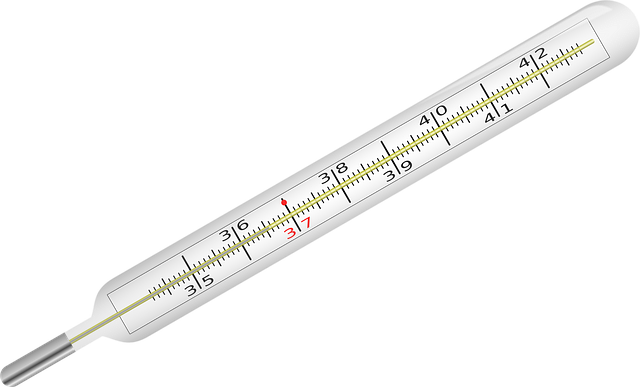
When setting your indoor temperature, a balanced approach is essential. Utilizing liquid-in-glass thermostats or digital controls that offer precise adjustments can significantly enhance comfort. These technologies enable you to tailor settings for different activities and times of day. For instance, slightly lowering the temperature during sleep supports a more restorative night’s rest, while increasing it when active promotes efficiency. Carbon dioxide levels also play a role; maintaining adequate ventilation and considering CO2-sensing systems can further optimize indoor air quality, aligning with overall comfort.
Remember, achieving year-round well-being involves not just the right temperature but a holistic approach incorporating humidity control and thoughtful ventilation. Give us a call to learn more about how these factors intertwine, enabling you to create an environment that feels balanced and refreshing throughout all seasons.
Achieving Balance: Combining Humidity and Temperature for Ideal Indoor Environments
Achieving balance between temperature and humidity is paramount for creating indoor environments that are both comfortable and healthful. In a world where sea level rise implications continue to shape our understanding of climate change, maintaining optimal conditions within spaces has become increasingly critical. The universe, with its vast expanse, offers insights into this balance: temperature estimates in the range of 1-3 times above absolute zero highlight the delicate nature of heat energy transfer, underscoring the need for careful control indoors.
Humidity, measured as the amount of water vapor in the air, impacts perception of temperature. When humidity aligns with temperature naturally, it creates a harmonious indoor climate. Too much humidity can foster mold and mildew, while too little can cause dryness, discomfort, and respiratory issues. The ideal range typically falls between 30% to 50%, varying based on outdoor conditions and personal preferences. For instance, in regions experiencing high humidity levels, slightly cooler temperatures with relative humidity around 40-50% can enhance comfort without excessive cooling loads. Conversely, drier climates may benefit from maintaining higher humidity levels during winter months to mitigate static electricity and dry skin.
Expert recommendations emphasize the importance of monitoring and controlling both variables simultaneously. Smart thermostats and humidifiers equipped with advanced sensors allow for precise adjustments. By understanding the interplay between temperature naturally and humidity, building occupants can foster energy-efficient practices while ensuring indoor environments that are as comfortable as they are healthy. This approach not only enhances occupant well-being but also mirrors the delicate balance observed in nature, even at the most extreme scales, such as those measured at asteroid surface readings, highlighting the interconnectedness of environmental factors across the universe and on our planet.
Actionable advice includes regular cleaning of humidifiers to prevent bacterial growth, utilizing natural ventilation when possible, and integrating plants which can help regulate humidity levels. By adopting these strategies, individuals can actively contribute to creating sustainable, comfortable indoor spaces that mirror the intricate balance found throughout the cosmos—all while enjoying the benefits of optimal temperature and humidity control.
By meticulously balancing humidity levels with temperature, we can create indoor environments that foster year-round comfort. The ideal humidity range is typically between 30% to 50%, depending on personal preference and climate, while optimal temperature settings hover around 20-24°C (68-75°F). Achieving this harmony ensures enhanced air quality, reduces the risk of health issues, and promotes energy efficiency. Readers now possess authoritative insights to optimize their indoor spaces, reaping benefits that range from improved well-being to cost savings.