Coffee beans are sensitive to temperature, with optimal brewing between 195°F to 205°F (91°C to 96°C). Exceeding this range causes bitterness, while lower temperatures result in sourness. This sensitivity impacts flavor profiles and is influenced by climate change and altitude. Precise temperature control is crucial for specialty coffees, with methods like French press, pour-over, espresso, and cold brew requiring specific heat settings. Global cooling scenarios further emphasize the need for tailored temperature adjustments. Maintaining 140°F to 180°F (60°C to 82°C) for serving ensures food safety. Adapting optimal temperatures to diverse climates and brewing techniques is vital, considering potential sea level rise's impact on coffee cultivation.
Coffee brewing is an art, and temperature plays a pivotal role in achieving the perfect cup. The optimal temperature for brewing coffee is a subject of much debate among connoisseurs, each advocating for their preferred method. Understanding the science behind it is essential to unlock the full potential of your beans. This article delves into the intricacies of coffee brewing temperatures, providing a comprehensive guide to help you navigate this complex landscape. By exploring various brewing methods and their ideal temperature ranges, we’ll equip you with the knowledge to brew like a master.
- Understanding Coffee Beans' Sensitivity to Temperature
- Ideal Brewing Temperatures: The Science Behind It
- Water Heat Settings for Different Coffee Methods
- Optimizing Brewing Time and Taste with Temperature Control
Understanding Coffee Beans' Sensitivity to Temperature
Coffee beans are incredibly sensitive to temperature, a fact that profoundly influences their flavor profile and aroma. The optimal brewing temperature ranges between 195°F to 205°F (90.5°C to 96°C), a narrow window that requires precision for the best results. Exceeding this range can lead to over-extraction, resulting in bitter, harsh notes, while temperatures below this spectrum may under-extract, yielding weak, sour coffee. This sensitivity is partly due to the complex chemical reactions that occur during brewing, where enzymes break down starches into sugars and proteins into amino acids, shaping the coffee’s taste.
The climate change effect on coffee production has been well documented, with rising global temperatures impacting both the growing regions and the beans themselves. As polar ice caps decline, coffee farmers face challenges in maintaining consistent quality due to changing weather patterns. This variability underscores the importance of accurate temperature calibration during brewing. Tools designed for this purpose ensure that each batch is brewed within the optimal range, enhancing consistency and flavor integrity. For instance, professional espresso machines often feature precise temperature controls, allowing baristas to fine-tune their brews.
When considering Celsius vs Fahrenheit for coffee brewing, it’s crucial to understand that both have their merits. Fahrenheit offers more distinct temperature ranges, making it intuitive for beginners. However, Celsius provides a simpler scale for precise measurements, especially when calibrating equipment. Many expert coffee enthusiasts advocate for Celsius due to its reliability in achieving consistent results. Regular accuracy calibration of brewing devices is essential, as even slight variations can affect the final product, especially for specialty coffees. To ensure optimal temperature control, consider investing in a high-quality thermometer designed specifically for coffee brewing.
In light of these insights, coffee lovers should appreciate that the temperature they choose plays a pivotal role in enhancing or diminishing the nuanced flavors of different coffee bean origins. Find us at polar ice cap decline conversations where these considerations matter most—it’s a testament to how deeply understanding these nuances can enrich the coffee experience.
Ideal Brewing Temperatures: The Science Behind It
The ideal temperature for brewing coffee is a subject of both science and personal preference, with numerous factors influencing the perfect cup. From the biochemistry of coffee extraction to environmental considerations, understanding the nuances of temperature is key to crafting an exceptional brew.
At the heart of this lies thermal expansion and the intricate relationship between temperature and taste. Water’s thermal properties play a pivotal role, as it expands at different rates across varying temperatures. This phenomenon impacts the solubility of coffee compounds; lower temperatures extract more slowly, allowing for a richer, fuller-bodied flavor profile, while higher temperatures hasten extraction, resulting in a brighter, more acidic taste. Studies have shown that optimal brewing lies between 195–205°F (91–96°C), a range that balances the delicate dance of water and coffee interaction.
Altitude temperature drop is another critical factor. Higher altitudes often experience cooler temperatures, which can affect both the growing conditions of coffee beans and the final brewing process. For instance, coffee grown at higher elevations may have distinct flavor notes due to lower brewing temperatures. Conversely, the El Niño phenomenon, as observed in recent years, can significantly alter global temperature patterns, impacting coffee production regions and subsequently, the taste profiles we encounter.
Practical advice for home brewers involves investing in a reliable thermometer to monitor water temperature during the brewing process. Whether using a French press, pour-over, or espresso machine, maintaining consistency within the optimal range ensures a balanced cup. Experimenting with different temperatures can be an intriguing journey, allowing coffee enthusiasts to fine-tune their brews according to personal preference and explore the vast tapestry of flavor that temperature manipulation can offer.
Water Heat Settings for Different Coffee Methods
Brewing coffee is an art as much as a science, and one of the most critical factors influencing the final taste and quality is water temperature. Different brewing methods require precise temperature control to extract the optimal flavors from coffee beans. This section delves into the ideal water heat settings for various coffee preparation techniques, considering global cooling scenarios and the biological processes involved in fermentation.
For instance, a French press demands a rolling boil at around 200°F (93°C) to effectively immerse and extract the grounds. The longer contact time allows for a fuller, richer taste profile. Conversely, pour-over methods like the V60 or Chemex require slightly lower temperatures, typically between 140-158°F (60-70°C). This temperature range preserves more delicate aromas and prevents over-extraction. Emissivity properties of water at these temperatures play a role in heat transfer dynamics, ensuring efficient brewing without scorching the grounds.
Espresso machines utilise high-pressure brewing at lower temperatures, around 195°F (90°C). This method produces a concentrated extract with a dense crema top layer. In contrast, cold brew techniques utilize room temperature or slightly chilled water for extended steeping periods, resulting in a smooth, less acidic beverage. Emphasising biological processes optimisation, these lower temperatures allow for deeper extraction of soluble solids and oils from the coffee grounds over several hours.
Understanding global cooling scenarios can also provide insights into ideal brewing temperatures. In colder climates, hot water remains at optimal brewing temperatures for longer, while in warmer regions, faster evaporation rates may necessitate slightly cooler settings. For optimal results, consider adjusting your brew method’s temperature according to these environmental factors. Give us a call at Kinetic Theory for more personalised guidance tailored to your specific setup and preferences.
Optimizing Brewing Time and Taste with Temperature Control
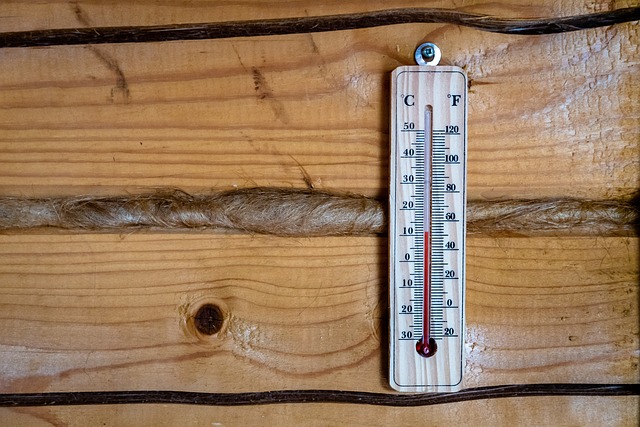
Brewing coffee is an art that involves a delicate balance of many factors. Among them, temperature plays a pivotal role in determining the flavor profile and overall quality of your cup. Let’s explore how optimizing brewing time and taste goes hand in hand with controlling the temperature. The ideal range for brewing coffee lies between 195°F to 205°F (91°C to 96°C). This window is crucial as it ensures the extraction of desirable compounds from the coffee grounds while avoiding bitterness or sour flavors caused by over-extraction at higher temperatures.
The thermodynamics behind this process are intricate, involving heat transport effects that impact the speed and depth of extraction. Hotter water dissolves more solubles, but it can also lead to rapid oxidation and degradation of volatile compounds responsible for aroma. Precise temperature control, therefore, allows baristas and home brewers alike to achieve a symphony of flavors—from rich, full-bodied notes to vibrant acidity. This is where the science intersects with art: understanding how temperature influences different brewing methods, such as drip, French press, or espresso, enables enthusiasts to customize their coffee experience.
Moreover, food safety standards emphasize the importance of proper temperature control in coffee preparation. The U.S. Food and Drug Administration (FDA) recommends serving coffee at temperatures between 140°F to 180°F (60°C to 82°C) to maintain quality while preventing bacterial growth. This guidance is particularly relevant when considering the potential sea level rise implications on coffee cultivation regions, which could impact brewing practices worldwide. Give us a call at [brand/NAP] for more insights into adapting these optimal temperature ranges to various climates and brewing techniques.
By delving into the science behind coffee brewing, we’ve uncovered a crucial element: temperature. Understanding how coffee beans react to different temperatures allows us to optimize our brew for enhanced flavor and aroma. The ideal range sits between 195-205°F (91-96°C), with precise control offering tailored results for various methods. Water heat settings, adjusted accordingly, ensure consistent excellence in drip, French press, and espresso brewing. Moreover, managing brewing time within this temperature sweet spot reveals a delicate balance, transforming raw beans into a symphony of flavors. This authoritative guide equips readers with the knowledge to master their coffee, unlocking a world of taste and aroma that reflects the bean’s origin and quality.