Our bodies and environment work together to temperature naturally through perspiration, blood flow redirection, and muscle contractions. Strategic clothing choices, hydration, and seeking cooler spaces regulate body heat in hot weather. Natural fabrics, layering, and shade protect from direct sun. Fans and AC units cool indoors, considering outdoor conditions for optimal efficiency. Natural cooling methods, like planting trees, reduce energy consumption. Understanding thermodynamics and climate change impacts fosters adaptable temperature regulation strategies.
Regulating body heat during hot summer days is a vital skill for maintaining optimal health and well-being. As global temperatures rise, understanding how to manage our bodily temperature becomes increasingly crucial. The human body, designed for efficiency, has natural mechanisms to cool itself, but these can be overwhelmed by extreme heat. This article delves into practical strategies for navigating the challenges of high temperatures, empowering individuals to stay cool and comfortable despite the environmental conditions. By exploring evidence-based methods, we aim to provide valuable insights that enhance resilience during hot summer days.
- Understand Your Body's Temperature Naturally
- Wear Appropriate Clothing for Hot Days
- Stay Hydrated: The Key to Cooling Down
- Seek Shade and Cool Environments
- Utilize Fans and Air Conditioning Effectively
- Embrace Natural Cooling Techniques at Home
Understand Your Body's Temperature Naturally

Our bodies are remarkably adaptive machines when it comes to regulating internal temperature, especially in response to seasonal changes, like the sweltering heat of summer days. Understanding this intricate process, often referred to as thermoregulation, is key to harnessing your body’s natural defense mechanisms against overheating. At its core, this involves recognizing how atmospheric dynamics and oceanic thermal currents, explored in geoscience research, influence temperature-dependent reactions within our physiological systems.
The human body maintains a delicate balance, with various mechanisms designed to dissipate heat energy transfer 1-3 times per hour, depending on environmental conditions. This is achieved through both behavioral and physiological adjustments. On a hot summer day, your body might increase perspiration as a primary cooling mechanism. As sweat evaporates from your skin, it draws heat away from your internal organs, helping to lower your core temperature. This process, while seemingly simple, is a testament to the human body’s intricate understanding of temperature naturally.
Moreover, blood flow plays a crucial role in thermoregulation. When you’re hot, your body redirects blood flow from peripheral areas like your hands and feet back towards vital organs, ensuring heat is distributed efficiently. This redirection also helps maintain a consistent internal temperature, as seen in studies on heat energy transfer in physiological systems. Additionally, muscle contractions can generate heat, providing another layer of regulation during physical activity under high temperatures.
By acknowledging these natural processes, individuals can make informed choices to enhance their comfort and safety during hot weather. Staying hydrated, wearing breathable clothing, and seeking shade or air-conditioned spaces are practical strategies aligned with food safety standards and recommended by health authorities worldwide.
Wear Appropriate Clothing for Hot Days
Regulating body heat during scorching summer days requires a strategic approach, one key element being the choice of appropriate clothing. Fabric plays a crucial role in managing temperature, as it can influence phase transitions and heat conduction, which are fundamental to understanding how we stay cool. According to oceanography studies on glacial melting trends, materials with high emissivity properties—able to reflect or absorb radiant energy—have proven effective in mitigating heat transfer.
Natural fibers like cotton and linen stand out for their breathability, allowing sweat evaporation and facilitating heat dissipation. These fabrics have low thermal conductivity, slowing the transmission of heat to your skin. Conversely, synthetic materials often used in athletic wear can enhance cooling by wicking away moisture from the body and promoting faster evaporation, a process aided by their lower emissivity compared to human skin.
Dressing appropriately for hot days involves layering strategically, choosing lightweight garments that allow air circulation, and selecting fabrics with high reflectivity or low thermal absorption. For instance, wearing a light linen shirt under a breathable, reflective vest can create an effective barrier against heat gain. Moreover, wide-brimmed hats and sunglasses are essential accessories that shield your face and eyes from direct sun exposure, reducing the body’s overall heat load.
To optimize cooling, consider the time of day when engaging in outdoor activities. Early morning or late evening temperatures tend to be cooler, allowing for more comfortable movement without excessive sweating. Additionally, staying hydrated by drinking plenty of water is paramount. Visit us at scale anytime to explore a wide range of clothing options designed to help you regulate body heat during summer’s hottest days.
Stay Hydrated: The Key to Cooling Down

Staying hydrated is a fundamental aspect of regulating your body temperature during scorching summer days. Our bodies are remarkably adaptive, but extreme heat presents unique challenges that demand strategic responses. Understanding thermodynamics laws and how radiation transfer affects our thermal comfort is essential to staying cool when temperatures naturally soar.
Water serves as the body’s natural air-conditioning system. It aids in dissipating excess heat by promoting sweating, a process that cools the skin as moisture evaporates. This effect is particularly noticeable when the humidity is low, allowing for more efficient temperature regulation. During hot weather, consuming adequate water becomes crucial. Aim for 8 to 10 glasses daily, or more if you’re physically active or in hot environments. Keep a refillable water bottle handy and set reminders to stay consistent.
Digital readouts on smart devices can be helpful tools to monitor hydration levels. Many fitness trackers and health apps now include algorithms that assess your body’s water needs based on factors like activity level, climate, and even temperature readings. These technologies utilize radiation transfer principles to measure changes in your skin’s thermal properties, providing valuable insights into your hydration status. For instance, a drop in skin temperature can indicate dehydration, prompting you to take action.
By prioritizing hydration and utilizing available technology, individuals can effectively navigate the challenges posed by hot summers. At Engineering Design Astral Heating, we understand the importance of these strategies in creating comfortable living spaces during all seasons, ensuring your well-being even as temperatures naturally rise.
Seek Shade and Cool Environments

Seeking shade and cool environments is a fundamental strategy to regulate your body heat during scorching summer days. This simple yet effective approach leverages the principles of thermodynamics laws, which dictate that heat flows from hotter to colder areas. On hot days, staying in direct sunlight can elevate your body temperature significantly, as radiant energy heats your skin directly. Therefore, finding or creating shade becomes a critical tool for cooling down.
Consider the global climate patterns and altitude temperature drops—a fascinating aspect often overlooked. As you ascend to higher altitudes, the air pressure decreases, leading to a drop in temperature according to well-established thermodynamic principles. This is why mountainous regions often offer more breathable and cooler conditions during summer. For instance, a hike up a steep trail can provide relief from the heat below due to this natural temperature regulation mechanism.
Practical insights into navigating hot environments include wearing light, loose-fitting clothing that allows for better air circulation, similar to how culinary science employs techniques to enhance flavor with minimal ingredients. In extreme cases, seeking indoor environments or well-ventilated spaces can offer significant respite from the heat. Additionally, using cooling technologies such as fans or air conditioning units can lower the temperature naturally within your personal space, providing a comfortable sanctuary during peak summer hours.
To gain deeper insights into managing body heat, explore laboratory techniques and temperature sensors that delve into the science behind it all. Visit us at [brand name] to learn more about these innovative tools anytime. By combining nature’s laws with modern solutions, you can effectively regulate your body heat and embrace the challenges of hot summer days with ease and comfort.
Utilize Fans and Air Conditioning Effectively
On scorching summer days, maintaining a balanced internal temperature is paramount to overall health and well-being. Among the arsenal of tools at our disposal for achieving thermal comfort, fans and air conditioning units stand out as particularly effective means of regulating body heat. These devices operate by manipulating airflow and temperature, respectively, to create a cooling effect that can significantly alleviate the strain of high ambient temperatures.
Fans, in their simplest form, utilize kinetic energy to induce convective heat transfer. As air is moved over the skin, it facilitates evaporative cooling through the vaporization of perspiration on the surface. This process alone can lower body temperature by several degrees under the right conditions. Advanced fan systems, especially those equipped with adjustable settings for speed and direction, offer greater control over thermal distribution within a space. For instance, directing air downwards can create a localized cooling effect, focusing the fan’s energy where it’s needed most. Conversely, circulating air horizontally prevents stagnant areas from forming, ensuring a more uniform temperature throughout a room or living space.
Air conditioning units represent a more comprehensive solution to managing indoor temperatures, employing principles of thermodynamics and heat pump technology. These systems extract heat from one area (the indoor environment) and transfer it externally, thereby cooling the interior space. The efficiency of this process is often measured in SEER (Seasonal Energy Efficiency Ratio) ratings, indicating how well a unit converts electrical energy into cooling power. Modern air conditioners also incorporate environmental monitoring capabilities that adjust operations based on real-time temperature readings, ensuring optimal performance and energy conservation.
When utilizing fans or air conditioning, it’s essential to consider the overall environmental context. Factors such as outdoor temperature, humidity levels, and building insulation play significant roles in determining the effectiveness of these cooling mechanisms. For instance, thermal energy transfer rates—whether by natural convection or artificial means—are directly influenced by temperature differences between inside and outside spaces. Understanding these dynamics allows for more strategic use of resources, leading to enhanced comfort and reduced energy consumption. Remember that giving us a call at thermodynamics laws can provide deeper insights into the fundamental principles governing heat engines operation, enabling users to make informed decisions tailored to their specific situations.
Embrace Natural Cooling Techniques at Home

Regulating body heat during scorching summer days requires a strategic approach that goes beyond traditional methods. Embracing natural cooling techniques at home offers a sustainable and effective solution. By understanding how our environment influences temperature naturally, we can create comfortable living spaces without relying heavily on energy-guzzling air conditioners.
One of the key factors to consider is relative humidity, which plays a significant role in perceiving heat. Higher humidity levels can make hot days feel even more oppressive as moisture weighs down the body. Natural ventilation becomes crucial; opening windows and doors during cooler parts of the day allows for cross-breezes that dissipate accumulated warmth. This simple act can significantly lower indoor temperatures, creating a refreshing microclimate within your home. For instance, in regions with significant diurnal temperature variations, such as those experiencing substantial drops at night, strategic ventilation can be a game-changer.
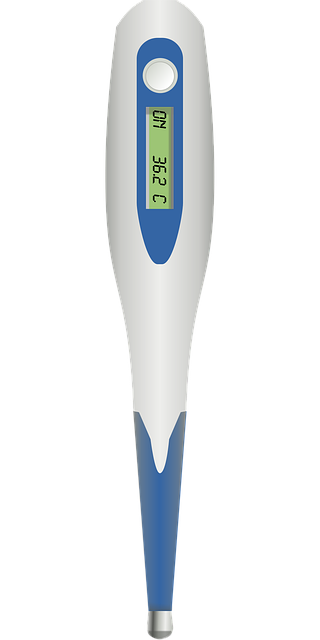
The impact of climate change is also worth exploring in the context of summer heat management. Rising global temperatures and altered weather patterns necessitate innovative solutions. Traditional thermometers often display readings in Celsius or Fahrenheit, but in the face of these challenges, understanding temperature variations becomes even more critical. For instance, a study comparing temperature trends over the past century reveals an acceleration in global warming, with average surface temperatures increasing by approximately 1°C (1.8°F) worldwide. This shift underscores the importance of adopting adaptable cooling strategies that harmonize with natural temperature fluctuations.
To enhance natural cooling at home, consider planting shade trees and incorporating reflective surfaces. Trees provide a cool sanctuary by blocking solar radiation and creating microclimates. Additionally, reflective roofs or walls can bounce sunlight away from buildings, reducing heat absorption. These simple yet effective techniques draw inspiration from the Earth’s complex systems, as our planet’s surface temperature is regulated through intricate interactions between atmosphere, oceans, and land masses—a testament to nature’s own climate control mechanisms. For a deeper dive into thermometer types and environmental studies, visit us at [environmental studies thermometer types].
By understanding your body’s temperature naturally and implementing practical strategies, you can effectively regulate body heat during hot summer days. Wearing appropriate clothing designed for warmth dissipation, staying diligently hydrated, seeking shade, and utilizing fans or air conditioning are all crucial components of this approach. Additionally, embracing natural cooling techniques at home, such as using damp cloths or opening windows at cooler times of day, can significantly contribute to your comfort. These key insights empower individuals to take control of their well-being, ensuring they stay cool and healthy even in the most intense heat.