
Maintaining optimal temperature (65°F to 72°F/18°C to 22°C) for infant sleep safety is crucial. Climate change and digital thermostats pose challenges. Using data logging and breathable clothing helps regulate temperature. Adhering to guidelines ensures sound sleep and minimizes hazards. Dress infants in light clothing, use firm mattresses, and fit tight sheets. Maintain quiet, well-ventilated rooms with ideal humidity (50%). Observe infant cues and consult healthcare professionals for tailored advice.
Ensuring a safe sleeping environment for infants is paramount for their health and development. The optimal temperature for an infant’s sleep plays a crucial role in preventing sudden infant death syndrome (SIDS) and promoting comfortable rest. However, determining the right temperature can be challenging due to varying environmental factors and individual baby needs. This article provides authoritative guidance on what constitutes a safe sleeping temperature for infants, delving into the science behind it and offering practical tips to create an ideal sleep sanctuary. By the end, parents and caregivers will be equipped with the knowledge to maintain a consistent and comfortable temperature that supports their little one’s well-being.
- Understanding Infant Sleep Safety and Temperature
- Setting the Ideal Temperature for Infants' Comfort
- Best Practices to Maintain Safe Sleeping Conditions
Understanding Infant Sleep Safety and Temperature

Understanding Infant Sleep Safety and Temperature is paramount for ensuring a baby’s well-being. The optimal temperature for an infant’s sleep ranges between 65°F to 72°F (18°C to 22°C). This range, often referred to as the sweet spot, strikes a balance that supports both comfort and safety. Exceeding this range, especially towards warmer extremes, can pose risks such as overheating, which is a significant concern for parents. It’s important to note that even mild hyperthermia can be dangerous, so maintaining a consistent and cool temperature is crucial.
A key factor influencing sleep temperature is the natural polar ice cap decline, highlighting the impact of climate change on everyday life. Global warming not only alters weather patterns but also affects indoor environments. Parents should be aware that digital thermostats, while convenient, might struggle to keep up with these rapid changes. Traditional liquid-in-glass thermometers, though less popular today, offer a more responsive reading in such dynamic conditions. Given the sensitive nature of infant sleep, considering data logging devices from brands like NAP can provide valuable insights and help maintain consistent temperatures.
In Celsius or Fahrenheit, the temperature range remains critical. For instance, if a room is maintained at 72°F (22°C), it creates an ideal environment for sleep. Parents should also be mindful of clothing choices, using lightweight, breathable fabrics to avoid trapping heat. The climate change effect on temperature extremes underscores the need for proactive measures. By understanding and adhering to these guidelines, parents can ensure their infants sleep safely and soundly through the night, free from temperature-related hazards.
Setting the Ideal Temperature for Infants' Comfort

Setting the ideal temperature for infants’ comfort is a critical yet often overlooked aspect of their care. The human body, especially that of a baby, is highly sensitive to changes in thermal environments, making it essential to understand and maintain appropriate temperatures. This involves not just considering room temperature but also factors like heat conduction, phase transitions, and even the impact of global warming.
A baby’s body temperature regulation is a complex process influenced by various external elements. In a science lab setting, precise thermal efficiency calculations are employed to ensure optimal conditions. Similarly, for infant safety, we must consider the micro-environmental adjustments required to maintain their comfort. Room temperatures between 65°F (18°C) and 72°F (22°C) are generally recommended by pediatricians, as these ranges support healthy sleep patterns in infants. These temperatures facilitate effective heat conduction while minimizing the risk of overheating or underheating.
To ensure a safe sleeping environment, parents should focus on creating a consistent thermal equilibrium. Using breathable, light-weight bedding and adjusting clothing layers accordingly can help maintain this balance. It’s also crucial to remember that every infant has unique needs; factors like age, health, and even external weather conditions play a part. For instance, during rapid growth periods or in warmer climates, temperature preferences might naturally vary. Utilizing smart thermostats and regularly monitoring room temperatures with precise equipment, such as those adhering to gas laws, can help parents make informed adjustments, fostering a comfortable and safe sleeping environment for their little ones.
Best Practices to Maintain Safe Sleeping Conditions
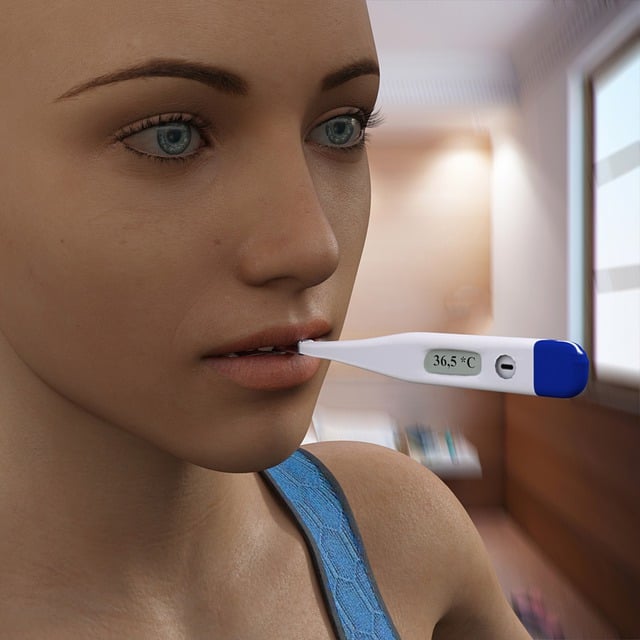
Maintaining a safe sleeping temperature for infants is paramount to ensure their well-being and optimal development. The ideal range typically hovers around 65°F to 72°F (18°C to 22°C), slightly cooler than room temperature. This temperature sweet spot strikes a balance, keeping the environment comfortable while mitigating the risks associated with excess heat or cold. It’s crucial to understand that an infant’s body temperature regulation is different from adults; they produce less body heat and rely on external sources for thermal stability.
The role of carbon dioxide in maintaining this equilibrium is often overlooked but significant. Breath can increase local humidity, helping prevent drying out of delicate skin. Well-ventilated rooms with mild circulation facilitate heat exchange, mimicking the natural regulatory mechanisms of the human body. This is where engineering applications of blackbody radiation come into play; emulating these bodies’ efficient thermal absorption and emission can enhance energy conservation in infant sleeping environments. For instance, using smart thermostats or temperature sensors coupled with heating/cooling systems can automatically adjust settings based on occupancy and environmental conditions, ensuring optimal temperatures without energy wastage.
Actionable advice for parents includes dressing infants in light, breathable clothing suitable for the room temperature, using a firm mattress and fitting a tightly-fitted sheet to prevent loose bedding from posing a suffocation risk. The room itself should be quiet, with minimal disturbances or lights that could disrupt sleep. Additionally, monitoring external factors like humidity levels is wise; ideal humidity for infants hovers around 50%, achievable through appropriate ventilation or humidifiers/dehumidifiers as needed. Remember that every infant is unique, so observing their cues and adjusting accordingly is vital. If concerns persist, consult healthcare professionals who can offer tailored advice based on individual needs. For more detailed insights, give us a call at heat transport effects to explore these topics in greater depth.
By understanding the critical link between infant sleep safety and temperature, parents and caregivers can create a secure environment for rest. The ideal sleeping temperature for infants is approximately 65–70°F (18–21°C), striking a balance between comfort and safety. Best practices involve dressing babies in layers, using breathable bedding, and ensuring the room temperature remains consistent. Regularly checking the room and adjusting as needed are essential habits to maintain a safe sleeping environment. This article equips readers with the knowledge to protect their infants from the dangers of extreme temperatures during sleep, offering practical insights that underscore the importance of temperature control in infant sleep safety.