
Temperature is a pivotal factor in wine aging, impacting flavor, aroma, and quality. Red wines benefit from slightly warmer conditions (13-15°C) for tannin development, while white wines prefer cooler temperatures (10-12°C). Efficient cellar design, data logging, and precise temperature control mitigate spoilage and optimize chemical transformations. Moderate temperatures (13-18°C) promote beneficial aging, while extreme heat accelerates oxidation. Global warming demands winemakers adapt with controlled environments to craft exceptional, aged wines.
The art of wine aging is a delicate balance, with temperature playing a pivotal role in shaping the final product’s quality and character. Understanding how temperature naturally influences the chemical processes within wine is paramount for sommeliers, winemakers, and enthusiasts alike. This exploration delves into the intricate relationship between thermal conditions and wine development, revealing strategies to optimize aging potential. By deciphering these subtleties, we gain valuable insights that ensure consistent excellence in this ancient craft, offering a roadmap to enhance every vintage’s timeless appeal.
- Understanding Temperature's Role in Wine Aging
- Optimal Temperatures for Different Wine Varieties
- The Science Behind Heat Impact on Quality
- Strategies to Control Temperature for Ideal Results
Understanding Temperature's Role in Wine Aging
Temperature plays a pivotal role in the aging process of wine, influencing its chemical transformations, sensory development, and overall quality. Understanding how temperature interacts with wine is akin to unraveling a complex dance—each degree of warmth or chill sets off a cascade of reactions that shape the wine’s destiny. This delicate balance is particularly crucial for winemakers, who often employ sophisticated engineering designs to control astral heating and heat transport effects in their cellars.
The impact of temperature on wine aging is multifaceted. One key factor is the difference in heat capacity between wine and its surroundings. Wine, with its high water content, conducts and absorbs heat differently than solid materials. This variation can lead to localized heating or cooling within the wine, affecting chemical reactions that contribute to aging. For instance, moderate temperature fluctuations promote beneficial oxidation, enhancing flavor complexity. However, extreme temperatures can accelerate unwanted reactions, such as spoilage or the degradation of delicate compounds, thus negatively impacting quality.
Winemakers must consider not only the absolute temperature but also its consistency and variability. A carefully controlled environment with stable, cool temperatures is often ideal for aging red wines, allowing slow, nuanced developments in tannins and aroma. In contrast, white wines may benefit from slightly warmer conditions to preserve freshness and volatiles. Visiting us at atmospheric temperature weather forecasting anytime can provide valuable insights into these nuances, helping winemakers make informed decisions to optimize wine quality throughout the aging process.
Practical advice for winemakers includes ensuring efficient heat dissipation in cellars through proper ventilation and cooling systems, especially in warmer climates or during periods of astral heating. Monitoring temperature gradients within storage areas is also essential. By understanding and managing heat transport effects, winemakers can create conditions that facilitate desirable chemical transformations, ultimately yielding wines of exceptional quality and complexity.
Optimal Temperatures for Different Wine Varieties

Wine aging is a complex art, with temperature playing a pivotal role in determining the quality and character of the final product. Different wine varieties have unique sensitivity to thermal conditions, influencing crucial aspects such as flavor development, tannins, and aromatics. Understanding these temperature-dependent reactions is essential for winemakers aiming to produce exceptional wines.
Optimal temperatures vary significantly across diverse wine styles and grape varieties. For instance, red Bordeaux wines, known for their rich tannins and complex flavors, benefit from slightly higher aging temperatures (around 13-15°C) compared to lighter white wines like Pinot Grigio or Sauvignon Blanc, which thrive at cooler temperatures (10-12°C). This nuanced approach ensures the desired chemical reactions occur, promoting elegant aging without overshooting the mark. Geoscience research has delved into these intricacies, highlighting how temperature influences the rate of convection currents, which in turn affect the exchange of gases and compounds within wine barrels or tanks.
Data logging devices have become invaluable tools for winemakers, enabling them to monitor temperature fluctuations with precision. By tracking internal temperatures over time, experts can make informed adjustments, ensuring consistent quality. For example, a study on aging conditions revealed that moderate temperature variations (1-3°C) significantly impacted the development of volatile compounds in red wines, ultimately shaping their aroma profiles. This knowledge prompts winemakers to consider not just fixed temperatures but dynamic ranges optimal for specific varieties.
When it comes to maximizing thermal efficiency calculations, winemakers can employ various strategies. From carefully controlled cellars to innovative temperature-regulated storage systems, these measures ensure the wine ages harmoniously. Give us a call to explore how advanced data logging and precise temperature control can transform your aging process, elevating your wine quality to new heights.
The Science Behind Heat Impact on Quality
Temperature plays a pivotal role in shaping the quality and aging potential of wine, with its influence extending to various aspects from flavor development to structural changes. The science behind this relationship involves intricate interactions between heat energy transfer, chemical reactions, and environmental factors. Understanding these dynamics is crucial for winemakers seeking to optimize their vintages.
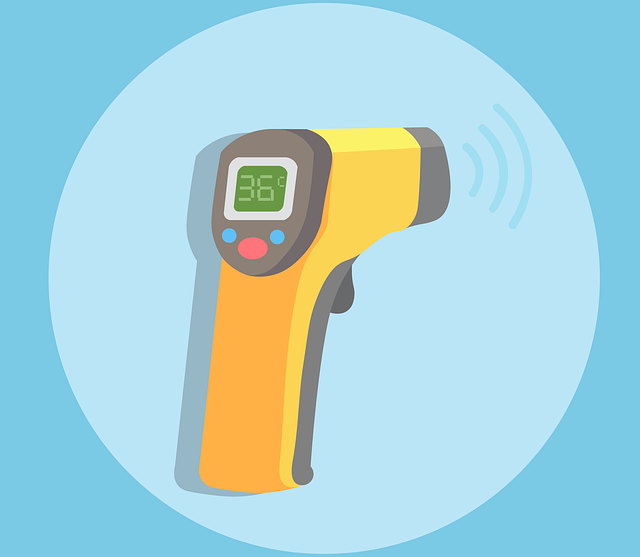
At the heart of temperature’s impact lies the concept of heat energy transfer. Different thermometer types, ranging from traditional mercury thermometers to modern digital devices, are employed to accurately measure and monitor cellar temperatures. Proper calibration ensures consistency in readings, which is vital as even slight variations can significantly alter wine quality. Research has shown that moderate temperature fluctuations, typically within a range of 13-18°C (55-64°F), promote beneficial chemical reactions responsible for aging. This range facilitates the gradual breakdown of tannins and other compounds, contributing to the development of complex flavors and aromas.
However, extreme temperatures can have detrimental effects. Prolonged exposure to high heat accelerates aging processes, sometimes leading to undesirable changes such as premature oxidation. Glacial melting trends, studied by oceanography experts, offer a lens into long-term environmental impacts; rising global temperatures can disrupt traditional winemaking regions, influencing the natural rhythms of wine maturation. Winemakers must adapt practices to mitigate these effects, ensuring their wines achieve the desired complexity and balance. Visiting us at [Oceanography Studies Glacial Melting Trends] provides further insights into these environmental shifts and their implications for the industry.
Practical advice for winemakers involves implementing controlled temperature environments, utilizing advanced cooling systems, and regularly monitoring cellar conditions. By carefully managing temperature, producers can guide the aging process, preserving the integrity of flavors and ensuring wines reach their optimal consumption period. This scientific understanding empowers artisans to craft exceptional vintages that stand the test of time.
Strategies to Control Temperature for Ideal Results

The impact of temperature on wine aging is a complex interplay of science and art, heavily influenced by meteorological insights. Barometric pressure, a key component tied to weather patterns, directly affects oxygen levels, which in turn play a critical role in the maturation process. Understanding these factors requires measuring heat with precision, as even subtle variations can significantly alter the trajectory of wine development. Expert winemakers employ sophisticated engineering applications, such as blackbody radiation technology, to meticulously control temperature and create optimal aging conditions.
One crucial aspect often overlooked is the relationship between temperature and thermal expansion. As liquids warm, they expand, impacting the micro-oxygen transfer within the wine. This phenomenon, governed by biochemistry principles, underscores the importance of consistent temperature management. For instance, a study comparing wines aged at different temperatures revealed that those subject to more extreme fluctuations exhibited reduced complexity and heightened oxidation, while wines maintained at steady temperatures showcased superior aromas and flavors over time.
To achieve ideal results, winemakers must adopt strategic approaches. This involves not only installing advanced climate control systems but also meticulously monitoring conditions within the cellar. Implementing temperature-controlled containers and utilizing data from meteorological forecasts can help anticipate and mitigate external influences. Ultimately, success lies in finding a harmonious balance, where temperature becomes an ally rather than an adversary in the quest for exceptional wine quality, with benefits that extend far beyond the initial tasting experience.
Temperature naturally plays a pivotal role in wine aging and quality. Understanding its impact across various wine varieties allows winemakers to fine-tune their strategies. Optimal temperature ranges—specific to each grape type—ensure desirable chemical reactions that enhance flavor and aroma. The science behind heat’s influence reveals complex interactions, affecting everything from sugar conversion to tannin development. By controlling temperature through meticulous vineyard management and state-of-the-art cellaring techniques, producers can achieve exceptional results. This article has empowered readers with authoritative insights, offering practical next steps such as customizing storage conditions for different wines and closely monitoring temperature fluctuations to preserve the delicate balance that defines premium wine quality.