
Temperature is a critical factor in wine aging, influencing chemical reactions, aroma development, and overall quality. Warmer temperatures accelerate processes like protein denaturation and tannin extraction, while cooler temperatures preserve delicate aromas. Enzymes responsible for flavor biosynthesis operate within narrow thermal ranges. Winemakers strategically manage cellar temperatures (18-25°C for red, 10-18°C for white) to optimize aging outcomes. Extreme temperatures impact quality; prolonged heat accelerates aging, while cold increases bacterial infections. The optimal cellar temperature range is 50-60°F (10-15.5°C), with consistent monitoring and advanced cooling mechanisms for efficient energy use.
Temperature plays a pivotal role in shaping the trajectory and final quality of wine aging. Understanding its intricate effects is paramount for winemakers and enthusiasts alike, as it can significantly influence the wine’s aroma, flavor, and structural components. The challenge lies in navigating the delicate balance; too much temperature variability can invite spoilage or premature oxidation, while consistent, optimal conditions are elusive in nature. This article delves into the science behind temperature’s impact on wine aging, offering insights that demystify this crucial aspect of winemaking, enabling enthusiasts to appreciate and producers to refine their craft.
- Understanding Temperature's Role in Wine Aging
- The Science Behind Optimal Storage Conditions
- Impact on Chemical Reactions and Aroma Development
- How Temperature Affects Wine Quality and Taste
- Extreme Temperatures: Dangers and Mitigation Strategies
- Best Practices for Controlling Wine Cellar Climate
Understanding Temperature's Role in Wine Aging
Understanding Temperature’s Role in Wine Aging
Temperature plays a pivotal role in wine aging, influencing both the physical and chemical transformations that occur within the wine. As a fundamental factor in enology, it orchestrates the pace at which enzymatic activity progresses, shaping the wine’s eventual quality and character. This intricate relationship is particularly sensitive to latitudinal variations, with temperatures naturally fluctuating across different regions, imparting unique aging signatures onto the wine.
The impact of temperature extends beyond mere ripening, delving into material science applications relevant to the wine industry. The structure and composition of the wine’s components—from tannins to acids—are dynamically affected by thermal conditions. For instance, warmer temperatures can accelerate protein denaturation, leading to increased tannin extraction, which is crucial for developing complex, robust flavors over time. Conversely, cooler temperatures slow down these processes, allowing for more nuanced development and preserving delicate aromatic compounds.
Enzymatic activity within the wine undergoes profound changes under varying temperature conditions. Specific enzymes responsible for flavor and aroma biosynthesis operate optimally within narrow thermal ranges. These ranges dictate the pace at which key biochemical reactions occur, ultimately influencing the overall complexity and balance of the aging wine. For instance, malolactic fermentation, a critical process for softening wine acidity, is most active between 18-25°C (64-77°F), demonstrating the precise temperature control required for optimal enzymatic activity.
Given these insights, winemakers must approach temperature as a strategic variable in their aging processes. Careful monitoring and control of cellar temperatures, especially during extended aging periods, can significantly impact the wine’s final quality. By understanding the intricate dance between temperature and enzymatic activity, as well as the material science principles at play, experts can guide optimal wine development, ensuring that each bottle reaches its full potential—a testament to the intricate interplay of nature and human craftsmanship. For deeper insights into these dynamics, explore our comprehensive resources on material science applications in enology, available at [our website].
The Science Behind Optimal Storage Conditions

Impact on Chemical Reactions and Aroma Development
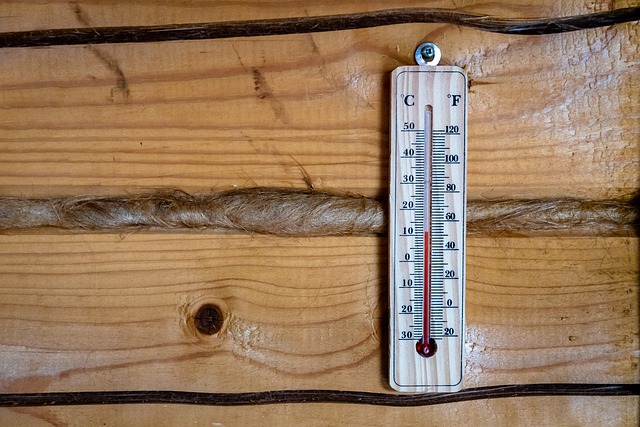
Temperature plays a pivotal role in shaping the chemical reactions and aroma development during wine aging, profoundly influencing its quality and eventual taste profile. The effect of temperature on these processes is complex, governed by fundamental physics principles like radiation transfer and humidity-temperature interactions. As wine ages, temperature naturally modulates key biochemical transformations—from the initial fermentation to subsequent malolactic fermentation and oxidation reactions.
Warmer temperatures accelerate chemical reactions, promoting faster sugar conversion into alcohol and facilitating the evolution of volatile compounds responsible for aroma. Conversely, cooler temperatures slow these reactions down, allowing for more nuanced flavor development. This is why winemakers carefully monitor and control temperature during aging, often employing techniques like temperature-controlled chambers or cellars to maintain specific ranges. For instance, red wines typically require slightly warmer conditions (around 18-25°C) for optimal aging due to their higher tannins and color compounds sensitive to oxygen exposure. In contrast, white wines may benefit from cooler temperatures (10-18°C), preserving freshness and aromatic complexity.
Humidity levels, closely tied to temperature through radiation transfer principles, also impact aroma development. High humidity can slow evaporation of volatile compounds, enhancing floral or fruity notes. Conversely, low humidity might concentrate these compounds, leading to a more intense but potentially sharper aroma profile. Understanding these interactions allows winemakers to fine-tune aging conditions, ensuring the wine attains its full aromatic potential. To gain deeper insights and explore innovative techniques, visit us at Culinary Science Global Climate Patterns—where we delve into the intricate dance of temperature, humidity, and chemistry in winemaking.
How Temperature Affects Wine Quality and Taste
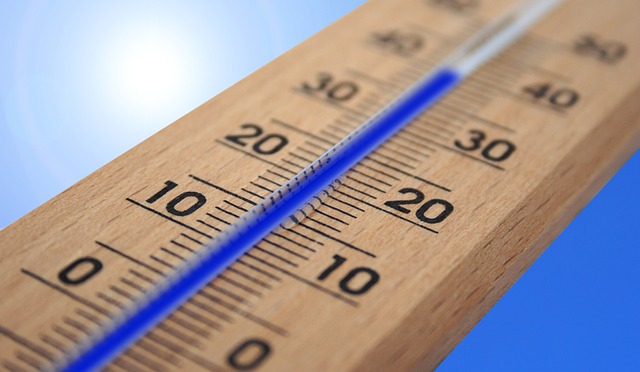
Temperature plays a pivotal role in shaping the quality and taste of wine during aging. The effect of temperature on wine is a complex interplay influenced by atmospheric science, particularly the greenhouse effect, which moderates global temperatures and can vary significantly across microclimates. This variation impacts key factors like grape ripening, fermentation, and subsequent maturation, ultimately dictating the wine’s character.
At higher temperatures, grapes mature more quickly, leading to increased sugar content and lower acidity levels. This speeded-up process can result in wines with richer, fuller bodies and lower tannins, making them more approachable in the short term. However, excessive heat can also cause premature aging, altering flavors and potentially producing off-notes due to accelerated oxidation. For instance, wines from regions experiencing hotter days and cooler nights, like parts of Napa Valley, often exhibit this balance between ripeness and preservation of delicate aromas.
On the other end of the spectrum, colder temperatures slow down both grape ripening and fermentation, allowing for a more gradual development of flavors. This can lead to wines with higher acidity, tighter tannins, and a longer lifespan. Certain cool-climate regions, such as Burgundy in France, are renowned for producing elegant, complex wines that require years of patient aging. The metal properties of the soil and vines also interact with temperature, further influencing the wine’s chemical composition.
The ideal temperature range for wine aging varies based on the type of wine and desired outcome. Generally, red wines benefit from slightly warmer temperatures (around 65-70°F or 18-21°C) during their early years to promote fruit development, while white wines often thrive at cooler temperatures (55-60°F or 13-15°C) to retain freshness and acidity. As a rule of thumb, maintaining temperatures within a range near the absolute zero point (a theoretical minimum of -273.15°C or -459.67°F) is crucial for preserving wine quality, though this is obviously not feasible in practical terms. For instance, give us a call at Universe Temperature Estimates to learn more about managing these delicate temperature dynamics for optimal wine aging.
Extreme Temperatures: Dangers and Mitigation Strategies
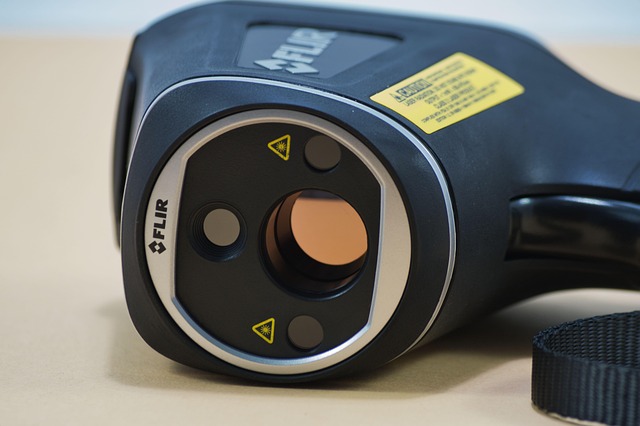
Extreme temperatures pose significant challenges to wine aging, with both warmth and cold impacting quality differently. Prolonged exposure to high temperatures can accelerate aging processes, altering the wine’s biochemistry principles thermal expansion and causing premature oxidation. For instance, a study tracking temperature data logging devices in vineyards revealed that days exceeding 35°C (95°F) can lead to rapid degradation of key compounds responsible for flavor and aroma, significantly reducing the wine’s shelf life and overall quality.
Conversely, cold temperatures also present dangers, particularly during prolonged periods. As global climate patterns shift due to factors like polar ice cap decline, winemakers face new challenges maintaining optimal conditions. Extreme cold can slow fermentation and age-related reactions, but it also heightens susceptibility to bacterial and mold infections. In regions where winters are harsh, winemakers often employ specialized heating systems or controlled atmospheric storage to mitigate these risks.
Mitigation strategies for extreme temperatures rely on a combination of environmental controls and monitoring. Implementing temperature-controlled containers, such as temperature-regulated tanks and cellars, helps maintain consistent conditions. Data logging devices play a crucial role in this regard, allowing winemakers to track temperature fluctuations and make informed adjustments. Additionally, careful consideration of vineyard placement and canopy management can help moderate microclimates, reducing the impact of both heat and cold stress on grapevines. For instance, giving us a call at thermal efficiency calculations can assist in optimizing these measures to ensure optimal wine quality throughout varying seasonal conditions.
Best Practices for Controlling Wine Cellar Climate
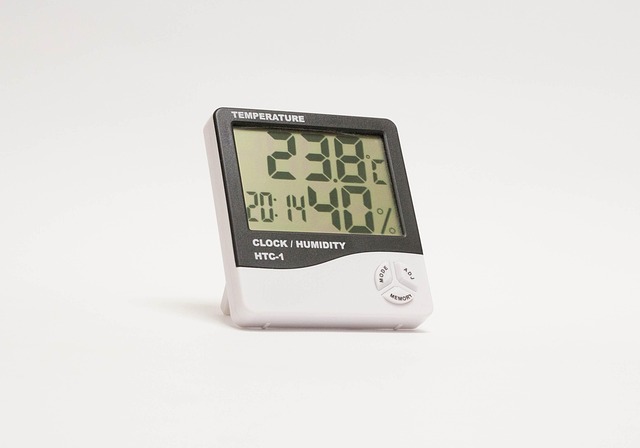
The temperature of a wine cellar plays a pivotal role in determining the quality and aging potential of fine wines. This is due to its direct impact on various chemical reactions within the wine, including oxidation, polymerization, and microbial activity. Controlling temperature with precision is therefore an art and science essential for winemakers and collectors aiming to preserve and enhance their vintage collections. The optimal range lies between 50-60°F (10-15.5°C), where time-honored practices meet modern technological innovations for efficient climate management.
Best practices involve maintaining a consistent temperature with minimal fluctuations, as even slight variations can significantly alter wine chemistry. This is where data logging devices prove invaluable, allowing winemakers to monitor and record temperature conditions over extended periods. By analyzing the collected data, patterns emerge, enabling adjustments to cellar infrastructure or cooling systems for optimal efficiency. The kinetic theory of gases explains how temperature influences molecular motion, directly affecting chemical reactions in wine. Thus, controlling temperature is not merely about comfort but a strategic approach to aging, ensuring the desired compounds evolve while suppressing unwanted ones.
Efficient energy conversion technologies are increasingly integrated into modern wine cellars to achieve precise climate control. These systems, designed for optimal performance, minimize heat transfer losses and maximize energy utilization. For instance, using advanced cooling mechanisms in conjunction with data-driven insights can lead to substantial energy savings without compromising quality. By giving us a call at measuring heat exactly, winemakers can access tailored solutions and expert advice, ensuring their cellars meet the stringent requirements for ideal wine aging conditions. This holistic approach combines traditional wisdom with modern technology, resulting in a harmonious environment where wines can reach their full potential over years to come.
The article has provided an in-depth exploration of how temperature significantly influences wine aging and quality. Key insights reveal that optimal temperature conditions facilitate chemical reactions, enhancing aroma development and ultimately refining taste. Understanding the science behind these processes empowers winemakers and collectors to control storage environments effectively. Extreme temperatures pose dangers, underscoring the importance of mitigation strategies for maintaining a consistent climate in wine cellars. Best practices highlighted throughout this article offer practical guidance on managing temperature, ensuring the longevity and superior quality of fine wines. By synthesizing these key learnings, readers can make informed decisions regarding temperature management, ultimately elevating their wine-aging practices to new levels of authority and expertise.