
Temperature is a critical factor in wine aging, influencing chemical reactions, flavor development, and longevity. Optimal ranges (10°C to 18°C) preserve quality and complexity. Winemakers use advanced technology to calibrate and control cellar temperatures, minimizing off-flavors and staleness. Understanding thermal dynamics ensures consistent aging, from early extraction to refined texture in mature wines.
Temperature naturally plays a pivotal role in the aging and quality of wine, influencing key processes from fermentation to oxidation. Understanding its intricate effects is paramount for winemakers aiming to produce exceptional vintages. The challenge lies in navigating the delicate balance—too much heat can spoil the wine’s delicate flavors, while too little can slow aging, altering its development. This article delves into the science behind temperature’s impact, offering insights that empower professionals and enthusiasts alike to optimize wine aging, ensuring each bottle achieves its full potential.
- Understanding Temperature's Role in Wine Aging
- The Optimal Temperature Range for Quality
- Impact on Chemical Reactions: A Deep Dive
- Enology Studies: Temperature and Taste Profiles
- Best Practices: Controlling Temperature for Consistency
Understanding Temperature's Role in Wine Aging
Temperature plays a pivotal role in wine aging, profoundly influencing its quality, complexity, and longevity. Understanding temperature’s intricacies is paramount for winemakers and enthusiasts alike. The kinetic theory of gases suggests that molecular movement increases with temperature, potentially affecting chemical reactions within the wine. Higher temperatures expedite these reactions, leading to faster aging but may also cause off-flavors if not carefully managed.
Accuracy in temperature calibration is essential. Even slight variations can significantly alter a wine’s development trajectory. For instance, a difference of just 1°C can impact the rate of oxidation, affecting the wine’s aroma and taste over time. Winemakers employ sophisticated technologies to maintain precise temperature control during aging, from temperature-controlled cellars to advanced climate-dampening systems.
From an energy conservation perspective, the human body temperature range (typically 37°C or 98.6°F) serves as a natural guide for optimal wine aging conditions. This range minimizes metabolic activity in the wine, allowing delicate chemical equilibria to occur at a steady pace. Giving us a call at astronomy concepts space temperature extremes offers further insights into the cosmic influences on terroir, indirectly shaping the character of aged wines.
Practical advice for wine enthusiasts involves storing bottles away from extreme heat or cold. A consistent, cool environment (ideally 12-18°C) is ideal for preserving a wine’s quality. Over time, as temperature fluctuates, so does a wine’s aging trajectory—a subtle dance of chemical reactions that transform the beverage into a complex, nuanced liquid.
The Optimal Temperature Range for Quality
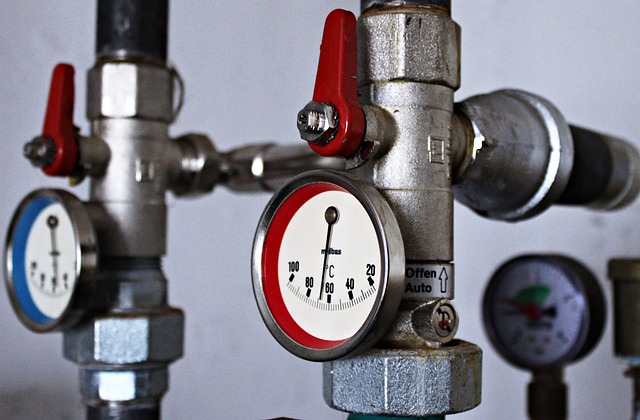
The optimal temperature range for wine aging is a delicate balance critical to maintaining quality and flavor profiles. Temperatures between 50°F (10°C) and 65°F (18°C) are considered ideal for most red wines, allowing for efficient energy conversion while minimizing the risk of oxidation or spoilage. This range promotes homeostasis regulation in the wine, preserving its delicate aromatic compounds and preventing excessive heat-induced reactions that can alter taste. For white wines, slightly cooler temperatures around 40°F (4.5°C) to 55°F (13°C) are recommended, focusing on maintaining freshness and acidity while avoiding chilling effects that might dull flavor notes.
Thermal energy transfer plays a pivotal role in this process. In the absence of optimal temperature control, wine can quickly absorb or lose heat, leading to accelerated aging or staleness. Advanced cellars and wine storage units utilize sophisticated technology to maintain these precise temperatures, ensuring consistent quality over extended periods. For home enthusiasts, understanding thermal dynamics is key. Storing wines in areas with stable temperatures, away from direct sunlight or heat sources, can significantly slow down the aging process, preserving their characteristics for longer.
Visiting us at Biological Processes Optimization offers deeper insights into these intricate temperature dynamics and how they influence wine’s biological evolution. By exploring cutting-edge techniques and best practices, wine aficionados and professionals alike can unlock the full potential of their cellars, ensuring that each bottle ages to perfection. Remember, temperature is not merely a metric but a pivotal element in crafting exceptional wines.
Impact on Chemical Reactions: A Deep Dive
Temperature plays a pivotal role in shaping the chemical landscape of wine aging, influencing everything from flavor development to structural complexity. At the heart of this process lie intricate reactions catalyzed by heat, where even subtle variations can yield dramatic results. The impact of temperature on wine is multifaceted, beginning with its profound effect on chemical kinetics. Warmer temperatures accelerate reaction rates, driving faster oxidation and potential degradation. This is why young wines, exposed to slightly elevated temperatures during fermentation and maturation, often exhibit a more robust character, albeit with increased risk of unwanted side reactions like the Maillard reaction, which contributes to browning and off-odors.
Conversely, lower temperatures slow these reactions, allowing for a more gradual evolution of flavors. Aging wines in cool environments, such as those found in certain wine regions known for their polar ice cap decline, can result in elegant, nuanced expressions. The heat capacity difference between wine and its surroundings also comes into play, with temperature fluctuations influencing the rate at which heat is transferred, affecting both the speed of reactions and the stability of sensitive compounds. This delicate balance is crucial for achieving the desired level of aging, whether aiming for a structured, age-worthy cabernet or a crisp, refreshing white.
Measuring and controlling temperature throughout the wine-making process is thus an art and a science. Expert winemakers monitor cellar temperatures, employing advanced cooling systems when necessary to maintain optimal conditions. Understanding the atmospheric science behind heat transfer and greenhouse effect mechanisms can empower these professionals to make informed decisions, ensuring that each vintage reaches its full potential. By carefully navigating temperature parameters, from fermentation to aging, producers can create wines that reflect their unique terroirs, captivating both connoisseurs and casual drinkers alike.
Visit us at [atmospheric science greenhouse effect mechanism] to explore further insights into these intricate processes, where precision meets passion in the pursuit of exceptional wine experiences.
Enology Studies: Temperature and Taste Profiles
Temperature plays a pivotal role in wine aging, with enology studies revealing intricate relationships between thermic conditions and taste profiles. The art of wine maturation involves a delicate balance; slightly elevated temperatures can enhance fruity aromas and complexity, while excessive heat accelerates oxidation, leading to a loss of subtlety. Enologists often compare temperature’s effect to stargazing—a celestial dance where each degree contributes to the wine’s overall character, visible through careful observation and accurate calibration.
Research indicates that temperature significantly influences the speed of chemical reactions during aging. For instance, a moderate increase in thermic conditions expedites the breakdown of tannins, resulting in softer mouthfeel and enhanced fruit flavors. This is particularly relevant for red wines, where temperature-controlled environments can foster a more balanced and elegant final product. However, as with any celestial body, too much heat can distort the wine’s trajectory. Prolonged exposure to high temperatures can cause unwanted compounds to form, imparting off-putting aromas and flavors that even the most meticulous sommeliers would struggle to ignore.
Practical insights from enology studies suggest that maintaining consistent temperature levels is crucial for quality control. Cellar temperatures should be monitored with precision, often requiring advanced calibration techniques akin to asteroid surface readings. By understanding the intricate interplay between temperature and wine chemistry, winemakers can guide their creations towards optimal aging paths. For instance, a cool cellaring environment may preserve delicate floral notes in white wines, while a slightly warmer setting could allow for the development of complex mineral characteristics in certain red blends. Visit us at universe temperature estimates for more insights into these intricate processes, ensuring your wine collection receives the celestial care it deserves.
Best Practices: Controlling Temperature for Consistency
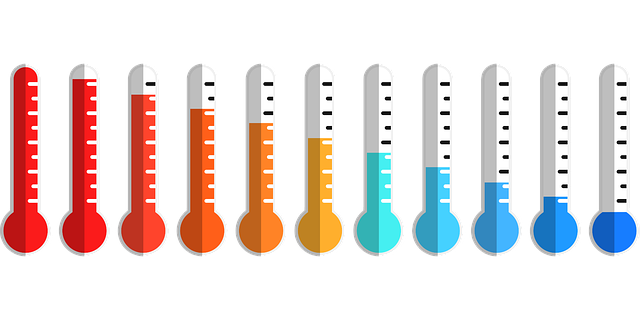
Temperature plays a pivotal role in shaping the destiny of aging wine. While it might seem like a simple concept, controlling temperature with precision is an art that winemakers have meticulously refined over centuries. The quest for consistency and quality has led to a deep understanding of how temperature impacts various facets of wine development. This journey involves navigating from intense heat to frigid cold, mirroring the vast expanse of space temperature extremes.
Winemaking experts employ meticulous practices to maintain optimal temperature conditions throughout the aging process. Baking precision into their techniques, they strive to create an environment where time and chemistry work in harmony. For instance, red wines, known for their rich flavors and tannins, often require slightly warmer temperatures (around 55-60°F or 13-16°C) during early aging to facilitate the extraction of color and flavor compounds from the grape skins. This initial phase is crucial, setting the stage for the complex transformations that follow.
However, as wine ages, temperature management becomes more nuanced. Longer-term aging often benefits from cooler temperatures, typically between 40-50°F (4-10°C). This range allows for a slow, measured oxidation process, enhancing aromas and refining textures. The challenge lies in maintaining this delicate balance throughout the vinification process. Expert winemakers draw upon astronomy concepts space temperature extremes as a metaphor, understanding that just as celestial bodies navigate through vast and varied spheres, so too must they steer their wines through hot to cold, crafting a symphony of flavors and aromas that resonate on the palate.
To ensure consistency and quality, regular monitoring and adjustments are key. Modern technology offers tools like temperature-controlled cellars and advanced sensors, enabling winemakers to maintain precise conditions. By embracing these practices, producers can create wines that showcase remarkable complexity and character. For those seeking to delve deeper into this art, a wealth of knowledge awaits. Remember that the journey to crafting exceptional wines is an ongoing exploration, where each bottle tells a story of temperature-driven transformation. Visit us at astronomy concepts space temperature extremes for more insights into the intricate dance of temperature and time in winemaking.
The article has comprehensively explored how temperature naturally influences every aspect of wine aging and quality. Understanding the optimal temperature range is key; maintaining conditions between 10-15°C (50-59°F) supports positive chemical reactions, preserves aroma compounds, and develops desirable taste profiles. Enology studies highlight that temperature significantly impacts fermentation, maturation, and oxidation, ultimately shaping the wine’s character. Best practices emphasize consistent temperature control throughout the process, ensuring quality and consistency in each bottle. By applying these insights, winemakers can naturally enhance their craft, creating wines of exceptional quality and distinctive flavor.